My 2026 Interior Design Trend Predictions (and how to use them well)
Whilst the word trend still leaves a slightly bitter taste in my mouth, I do believe that the way design elements ebb and flow over time is what keeps our homes feeling fresh, layered and interesting. What matters most, though, is not blindly following what’s “in”, but understanding why certain ideas are gaining momentum — and whether they genuinely suit you, your family and the way you live.
Because if you renovate purely based on what’s popular right now, or what your kids’ best friend’s family has just done to their home, there’s a very good chance you’ll be calling me back in a year’s time saying, “Please help... I may have got carried away”
So instead of rigid rules or fleeting fads, here’s what I see shaping homes in 2026 and how to approach each shift thoughtfully.
A Gentle Move Away from Total Open Plan Living
Open plan living isn’t disappearing, but it is being reconsidered. More families are recognising the reality of noise, competing schedules, working from home, older kids, or even multi-generational living and realising that one giant shared space doesn’t always support that.
In 2026, we’ll see homes designed with more considered separation. Think defined living zones, secondary lounges, or flexible spaces that can be closed off when needed. It’s less about going back to many tiny rooms, and more about creating choice, privacy and calm within the home.
The Rise of the Murphy Bed and True Multi-Purpose Spaces
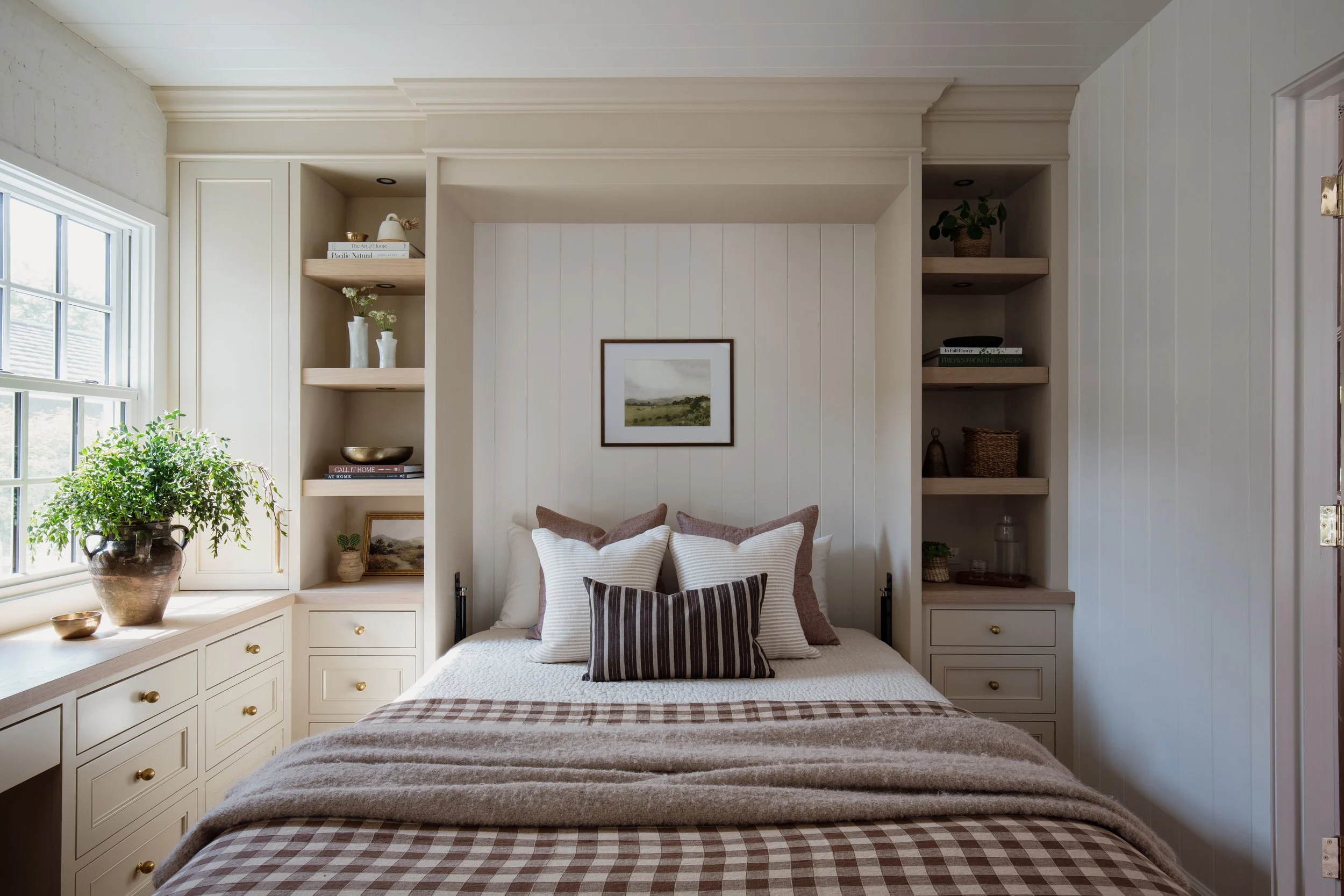
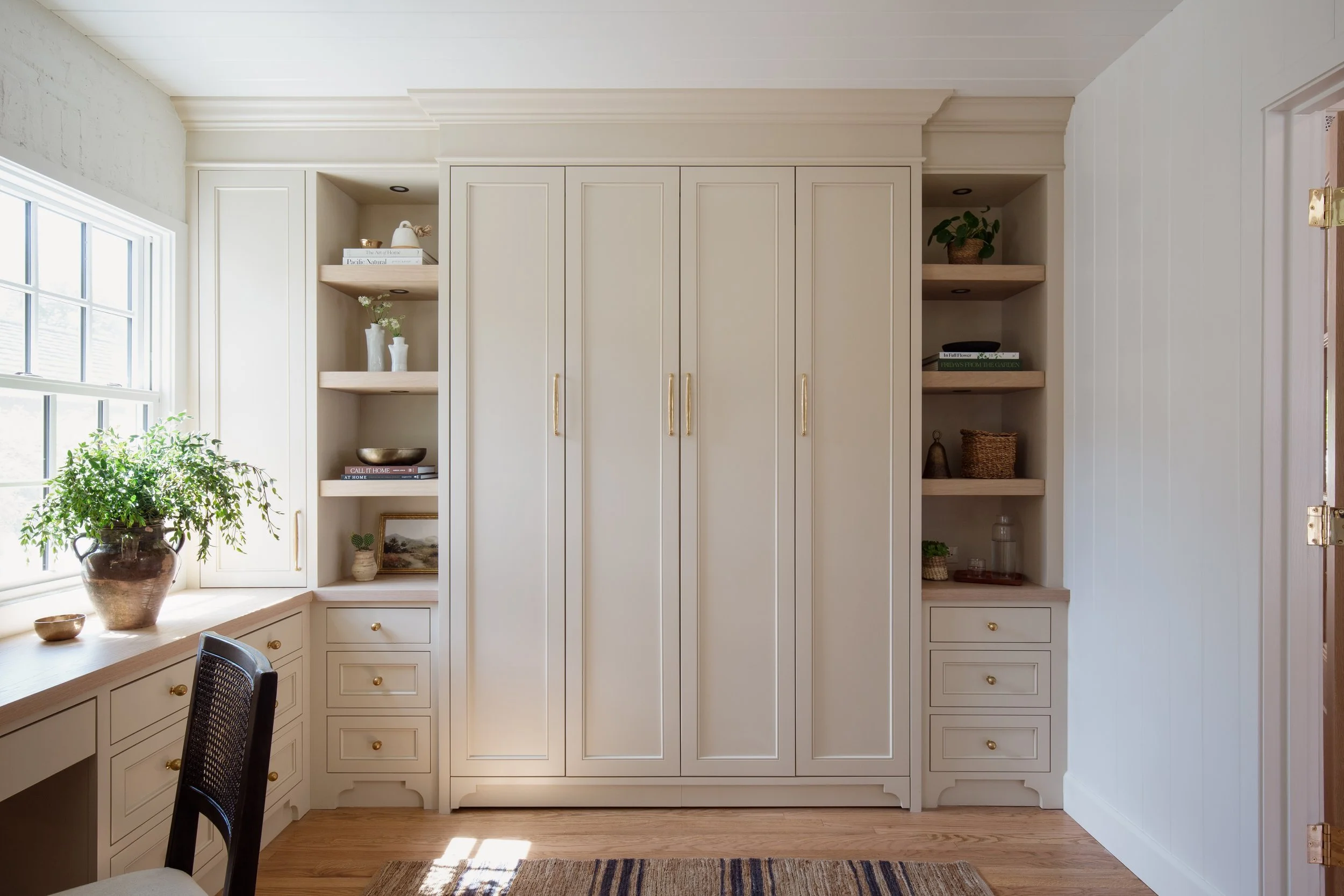
Affordability continues to shape how we design. Many families can realistically afford a three bedroom home but need it to function like a four or five bedder - especially with working from home now firmly part of everyday life.
This is where thoughtful design choices, like the Murphy bed, really shine. These wall beds aren’t clunky or awkward anymore; they’re sleek, integrated and incredibly practical. A home office by day, guest room by night. A playroom that can transform when family visits.
Moving forward, flexible spaces will matter more than ever, and multi-purpose spaces will be designed intentionally from the outset rather than as an afterthought once the home office has been overtaken by playdough and glitter.
Transitional Design Continues to Shine
A home doesn’t need to be large to be workable, but the more usable space you start with, the more options you have.
Ultra modern minimalism has had its moment, but for many people, it can feel sterile, cold and leaves you feeling empty inside. Transitional design, on the other hand, continues to resonate because it allows homes to tell a story. That idea of storytelling seems to be a big thing for 2026, with social feeds full of creators talking about algorithm changes that favour more personal, narrative led content.
Blending old and new, mixing refined elements with warmth and character, and layering pieces that feel collected rather than showroom perfect will remain a strong direction. People want homes that feel lived in and personal, not like they’re afraid to be touched. Transitional homes are like a comforting hug, familiar with a touch of nostalgia woven in.
Bold Choices Make a Confident Return
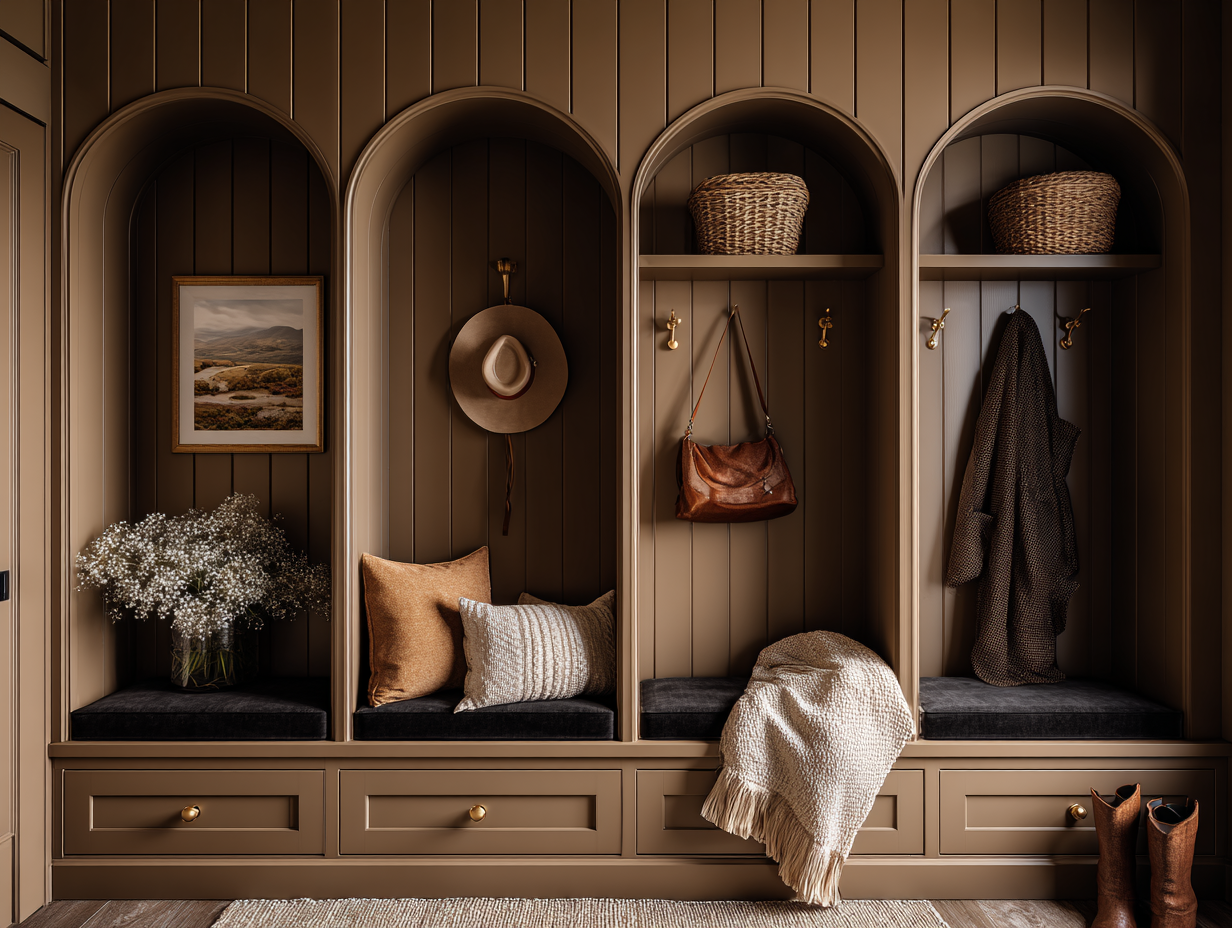
colour drenching is still a popular look as it creates tonal unity
Colour and wallpaper are firmly back, and they’re not going anywhere. Wallpaper in particular has seen a huge resurgence over the past couple of years for a few main reasons.
First, transitional homes love pattern, texture and personality. Second, wallpaper no longer feels like a lifetime commitment. With peel-and-stick options now widely available, there’s far less fear attached to making a bold choice. No hiring steamers from the local hardware store. No sacrificing weekends scraping glue off walls. If your taste changes, it’s much easier to change with it.
Lastly, this may be a personal observation, but everything feels painfully stock standard right now. AI, Instagram and Pinterest have created a sea of sameness. Cookie-cutter downloads, churned out Canva templates, and realistic looking AI “experts” claiming impossible 6 or 7 figure incomes while using the same avatar across multiple accounts. You’re not fooling us….it’s obvious, and people aren’t buying it. People are craving originality again. They want to stand out, break away from the herd, and live in a way that feels genuinely their own, not that ridiculous influencer pushing open-plan bathrooms because ‘it feels European’. No thanks - I don’t want to see you in the shower when I’m reading in bed on a Sunday morning.
So, expect to see colour used with more confidence — in smaller doses for some, and unapologetically for others.
Continued Migration to Regional and Coastal Living
The shift toward regional and coastal towns is far from over and what we have seen so far could possibly be just the tip of the iceberg. People are still chasing more space and better value for money, because why buy a $3m 2-bedroom fixer upper in Sydney when you can buy a brand new 4-bedroom house with big backyard for half that price regionally? It’s not just about the numbers too. They are seeking a lifestyle that feels slower and more grounded.
When I’m in the Southern Highlands working on a personal renovation, it feels as though I’ve stepped back in time. Neighbours and passersby stop to say hello or offer to bring the bins in while you’re away. Shop owners greet you with a smile and ask your name so they can remember you next time. Familiar faces appear around town, filling you with warmth and a sense of security.
Growing up, I knew most people in my suburb through school, my parents’ work and shared friendships. Café and restaurant owners were locals too. But these days, that sense of familiarity feels rare, and I find that difficult. And I don’t believe I’m alone in feeling this way.
This migration continues to influence design choices too. Homes are becoming more relaxed, practical and lifestyle driven, with an emphasis on durability, comfort and connection to place rather than formality.
I recently read in the Australian that some surveys suggest millennials and Gen Z are especially open to regional living, with around 40% of city dwellers considering a move and approximately 61% planning one within five years, driven by affordability, lifestyle and remote work flexibility. This surprised me, as growing up, places like Bowral mainly attracted retirees and downsizers. It was unusual to see a young couple or family, yet now it has become the norm.
I do wonder though…. what will this do to our cities?
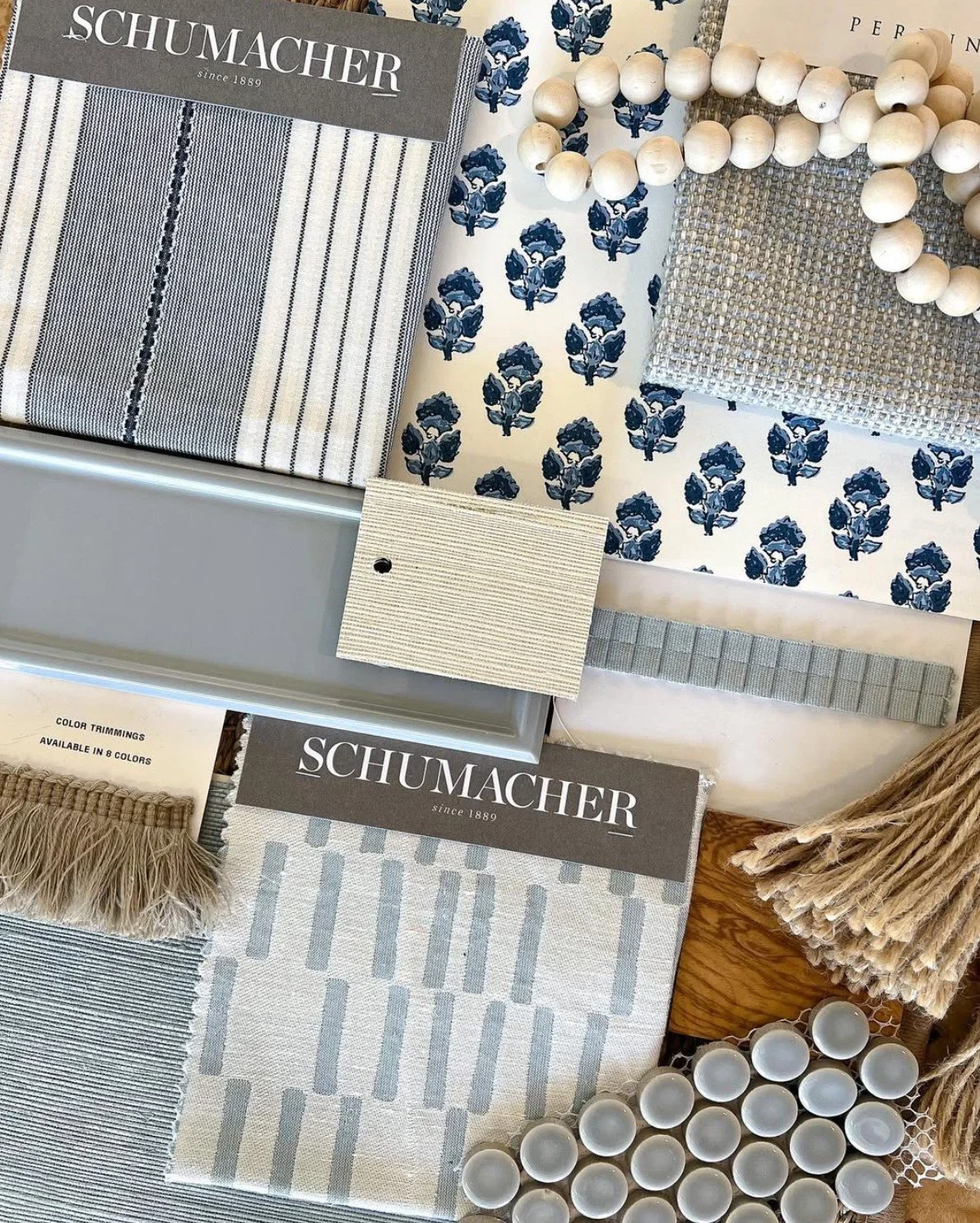
Textural blue flat lay by A Well Dressed Home
A Subtle Shift From Green to Blue
It’s not a secret that green has dominated interiors for years now. From soft sages to muddy olives and deep green-blacks, particularly in cabinetry and wall colours. However, there’s now a gentle shift underway toward blue. It’s not loud or dramatic, but it’s definitely there. I’ve felt it creeping in slowly, which is why I decided to introduce a blue-black into our Westbrook house last year. Dusty blues, in particular, are starting to appear more frequently, offering a softer slightly nostalgic edge.
It’s calm, classic and surprisingly versatile.
It might just be time to dust off Oma’s delft blue crockery that’s been collecting dust in the cupboard!
Alongside this shift, warmer neutrals will continue to hold their place. Rich browns, soft caramels and sun-warmed tans brought in through timber finishes, leather accents or warm stone (yes, the infamous Taj Mahal quartzite). These tones bring a grounded, earthy quality that balances both green and blue beautifully, adding depth without feeling heavy.
Monogramming and Embroidery Step Into the Spotlight
Rooted in heritage and traditional design, monogramming and embroidery have been quietly building momentum. Currently, as far as the home is concerned, it’s been limited to door mats and key rings. But they were just the beginning.
Expect to see these details appear more confidently this year on cushions, pillowcases, towels and kitchenware. It’s another way people are bringing individuality and personal storytelling back into their homes.
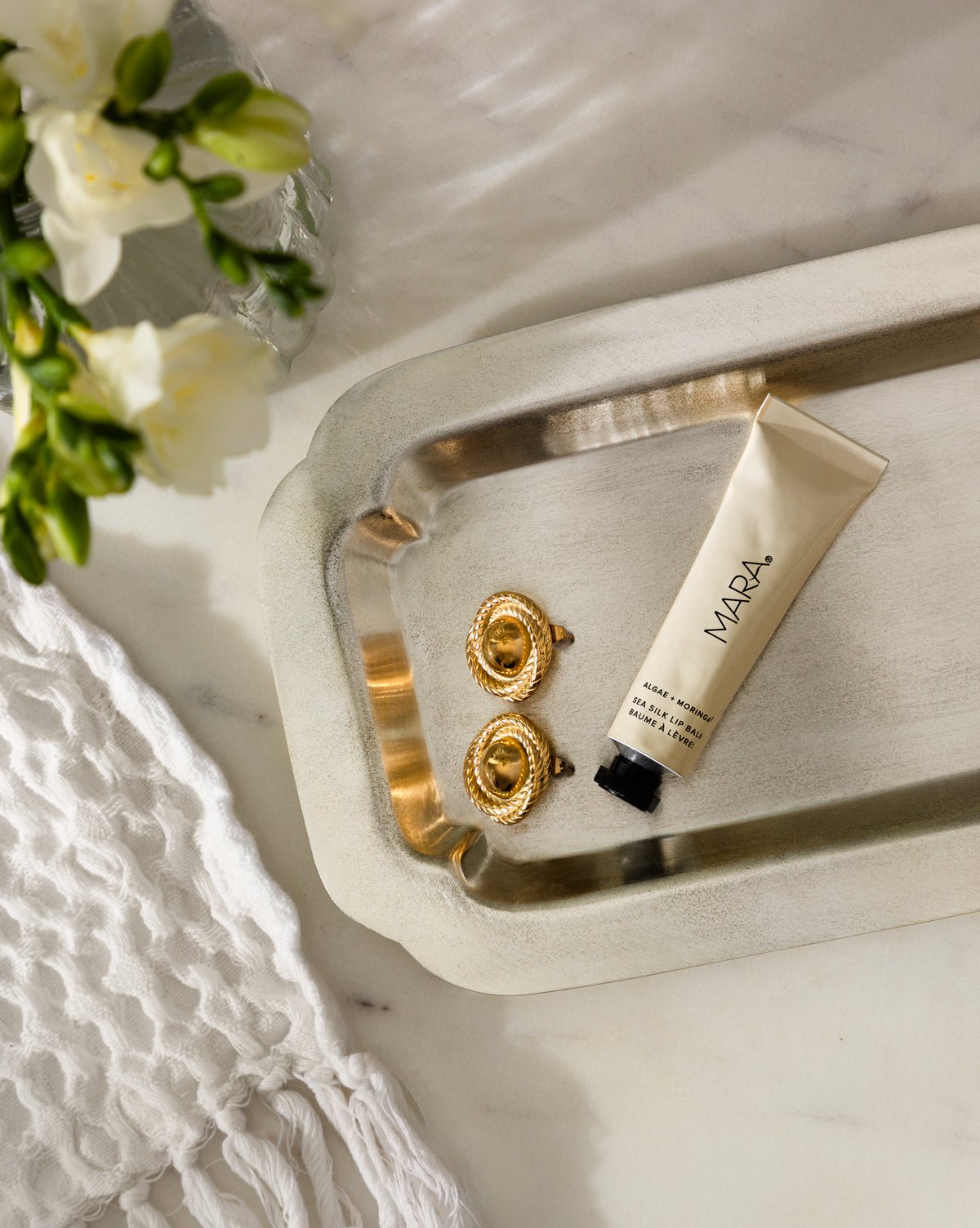
Feliciano Silver Tray by McGee & Co
The Return of Silver…..But Not the Shiny Kind
When I say silver, I don’t mean high gloss chrome. Think pewters, antique finishes and softer, aged tones. This ties beautifully into the broader theme of mixing old and new.
Brass will absolutely remain a favourite, but in 2026 we’ll see silver tones quietly re-emerge mostly through décor rather than fixtures - picture frames, trays, salt and pepper mills, and layered accessories that add depth without dominating a space
Darker Wood Stains Make a Cautious Comeback
I’ll be honest, this one pains me slightly. I’ve spent a good portion of my career removing dark timber from homes, so the idea of welcoming it back feels ironic.
That said, I don’t see us swinging wildly in the opposite direction. We’re not heading for wall-to-wall dark flooring or panelling again. Instead, darker woods will appear more selectively through furniture and feature cabinetry.
The key will be balance. Lighter timbers will continue to dominate overall, with darker woods used as grounding, anchoring elements that add contrast and depth rather than heavy overwhelm.
Wrapping Up my 2026 Interior Design Predictions
As always, trends should be a guide, not a rulebook. The best homes aren’t designed to impress others. They’re designed to support the people who live in them, long after the moment has passed.
If you take anything from these 2026 predictions, let it be this: choose what genuinely resonates with you, edit thoughtfully, and don’t rush decisions that will live with you for years to come. Because good design isn’t about what’s in - it’s about what feels right for you and your family.
Will you be embracing any of these in your own home? Can you believe some of these are actually making a comeback?! Or is there one you’re hoping quietly fades back out of vogue?.....
I’d love to know your thoughts in the comments 👇🏻
Until next time,