Everything You Need to Know About Benchtops (before you commit)
Benchtops are one of those renovation decisions that feel simple… until suddenly you’re knee-deep in slabs, samples, opinions and price variations that make no sense.
As an interior designer, I see this all the time. Clients previously choose a benchtop based on looks alone, only to realise later that it didn’t suit how they live, how they cook, or how much maintenance they actually want to sign up for.
This guide is here to change that.
Below, I’ll walk you through the main benchtop materials available in Australia, what they’re really like to live with, which trade installs them, popular suppliers, and where each one works best.
Think of this as the advice I’d give you if we were standing in a joinery workshop or stone gallery, coffee in hand, making decisions together.
First, a Designer Mindset
Before choosing a material, ask yourself:
• Do I want low maintenance or am I okay with a little character developing over time?
• Is this a high use surface (kitchen island) or more occasional (laundry bench)?
• Am I cooking daily, entertaining often, or mostly reheating kids’ dinners?
• Do I want the benchtop to be a quiet backdrop or a feature moment?
There is no “best” benchtop. There is only the right benchtop for your home and lifestyle.
Natural Stone (marble, granite, quartzite, dolomite, limestone, travertine)
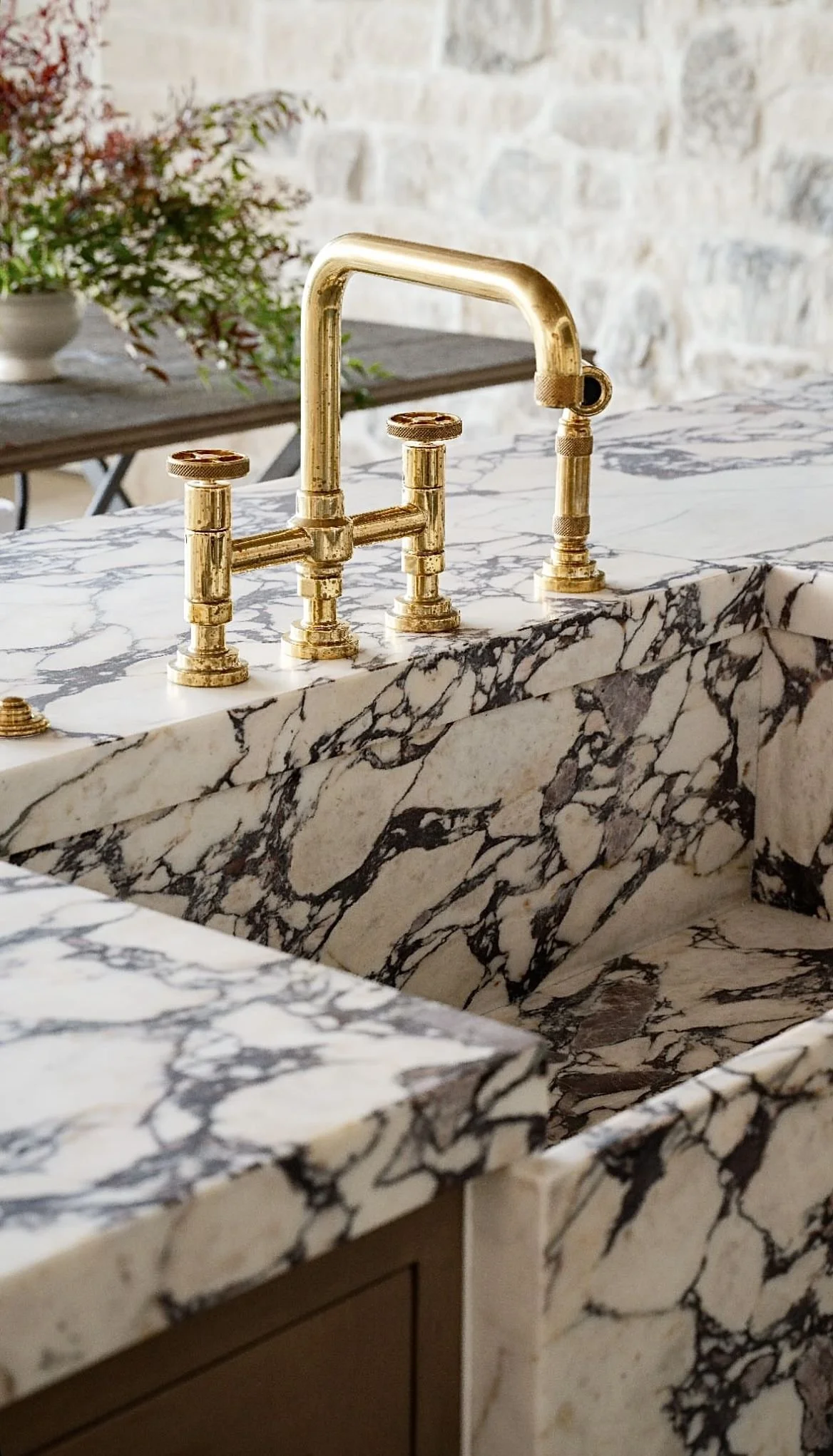
Natural stone is exactly that: quarried from the earth, cut into slabs, and completely unique. Veining, colour variation and natural movement are not flaws; they’re the point.
Some stones are tougher than others. Granite and quartzite are generally very durable. Marble and limestone are softer and more porous, which means they can etch or mark over time. That doesn’t mean they’re a bad choice, it just means they tell a story as they age.
Pros
• Unmatched natural beauty
• Adds warmth, depth and a high-end feel
• Every slab is one of a kind
• Natural stone has through-body colour, meaning the colour and pattern run all the way through the material. If it chips, you’re seeing more of the same colour stone.
Cons
• Some natural stones require more care
• Sealing is essential, and it’s not something you do just once. Ongoing resealing is part of caring for the surface properly.
• Can mark or etch if spills aren’t wiped promptly, particularly highly pigmented or acidic substances such as citrus juice, red wine, vinegar, pickle juice, beetroot and nail polish remover.
Maintenance
Gentle, pH-neutral cleaners. Reseal as recommended by your stonemason.
Installation
Installed by a qualified stonemason.
Thickness & slabs
Typically 20mm thick, with thicker looks achieved via mitred edges. Slab sizes vary depending on the quarry and stone type.
Popular Suppliers in Australia
• CDK Stone - www.cdkstone.com.au
• Avant Stone - https://avantstone.com.au/
• Signorino - https://www.signorino.com.au/
• WK Stone – https://www.wk.com.au
• Art of Marble - https://www.artofmarble.com.au/
• RMS Traders - https://rmstraders.com.au
• Marable - https://marable.com.au/
There are many local suppliers and stone galleries. Your designer or joiner will guide you based on your location.
Best suited to:
Kitchens, feature islands, vanities, and homes where warmth and unique character matter more than perfection.
Porcelain
Porcelain benchtops are engineered surfaces made from natural clay, minerals, and pigments that are fired at extremely high temperatures to create a dense, non-porous slab.
They’re known for their durability, consistency and low maintenance, and have become a popular alternative to natural stone and engineered stone.
Pros
• Low maintenance
• Highly resistant to stains, heat and UV
• Consistent colour and patterning
• Great for splashbacks and large surfaces
• Doesn’t need sealing
Cons
• Requires an experienced fabricator
• Sharp edges can chip if poorly detailed
• Porcelain is typically not through-body, so if it chips, the core is often white or lighter than the surface design making the chip stand out like a sore thumb.
Maintenance
Simple wipe down with mild detergent.
Installation
Specialist stone/porcelain fabricator.
Thickness & slabs
Commonly 12mm or 20mm, available in large format slabs – typically around 3200mm x 1440-1600mm
Popular Suppliers
• Neolith – https://www.neolith.com/au/
• YDL - https://www.ydlstone.com.au
• WK Stone Quantum Porcelain - https://www.wk.com.au
• Laminam – sold through various stone suppliers
• Caesarstone Porcelain – https://www.caesarstone.com.au
Best suited to:
Busy kitchens, marble-look lovers who don’t want the upkeep, and anyone wanting a “set and forget” surface.
Sintered Stone
Sintered stone is similar to porcelain, but it’s manufactured under both extreme heat and pressure, making it one of the most durable benchtop options available.
Pros
• Extremely tough
• Heat, scratch and UV resistant
• Ideal for light filled kitchens and even outdoor use (product dependent)
Cons
• Premium pricing
• Needs skilled handling and installation
Maintenance
Simple wipe down with mild detergent.
Installation
Specialist stone/porcelain fabricator.
Thickness & slabs
Commonly 12mm or 20mm, available in large format slabs – typically around 3200mm x 1600mm
Popular Suppliers
• Smartstone - https://www.smartstone.com.au
• Asetica - https://asetica.com.au
• Mamo Living - https://mamoliving.com.au
• Cosentino Dekton - https://www.cosentino.com/en-au
Best suited to:
Clients who want durability without compromise, busy kitchens, marble-look lovers who don’t want the upkeep
Engineered Stone - Now Mineral or Crystalline Silica-Free Surfaces
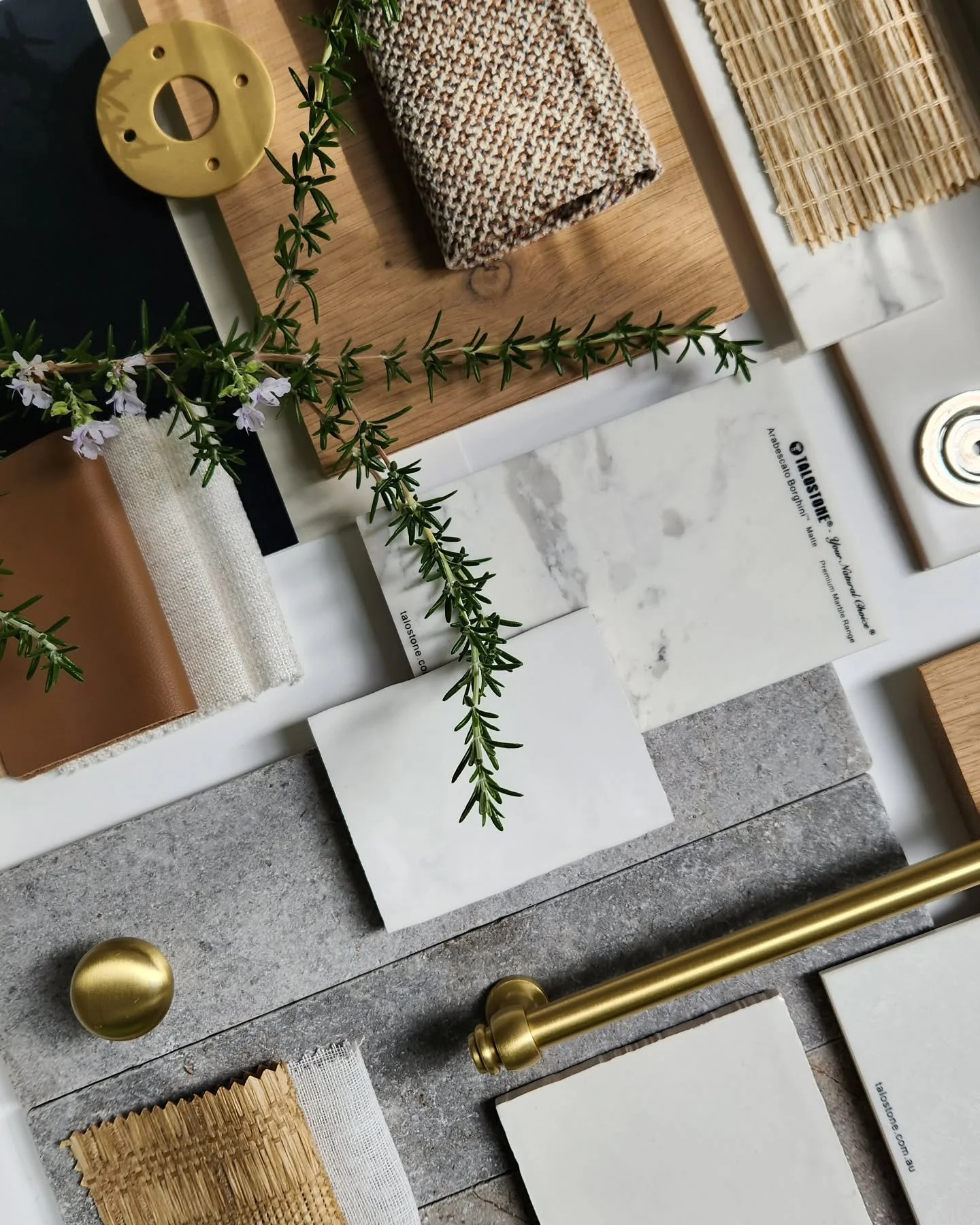
Talostone Arabescato Borghini Sample
Engineered stone (quartz composite) was once extremely popular. However, as you may have seen on the news over the last few years, engineered stone benchtops as we have always known them, are now prohibited in Australia due to health risks associated with crystalline silica exposure during fabrication.
This is where a lot of the mixed messaging comes from. Yes, engineered stone as we’ve known it for years has been banned — but many major suppliers have adapted rather than disappeared. Brands like Caesarstone and Talostone now offer reformulated surfaces with very low or zero crystalline silica. These new products are designed to replicate the look of their most popular ranges as closely as possible, meaning homeowners can still achieve a similar aesthetic, just with a different material makeup.
If your existing home already has engineered stone installed, the primary risk is associated with cutting and processing, not everyday use. So, it is safe to leave it in place. Never DIY cut or modify benchtops that may contain silica as the dangerous particles will then be disturbed.
Pros
• Low maintenance and non-porous
• No sealing required
• Resistant to most everyday stains
• Hygienic and easy to clean
Cons
• Not completely heat-proof (trivets recommended)
• Typically mid-to-premium price point
Maintenance
Simple wipe down with mild detergent. Or warm soapy water + microfibre cloth
Installation
Installed by a qualified stonemason.
Thickness & slabs
Commonly available in 20mm thicknesses, with thicker visual profiles achieved using mitred edges. Large-format slabs are typical, helping to minimise joins on long runs and islands. Exact sizes vary by range and supplier but typically around 3200mm x 1600mm
Popular Suppliers
• Caesarstone Mineral - https://www.caesarstone.com.au
• Talostone - https://talostone.com.au
• YDL - https://www.ydlstone.com.au
• Cosentino Xeron - https://www.cosentino.com/en-au
• WK Stone Quantum Zero - https://www.wk.com.au
Best suited to:
Kitchens, bathrooms and laundries where you want a clean, consistent look with minimal maintenance.
Laminate
Made from layers of paper and plastic resin fused under heat and pressure onto an MDF or particleboard core. Laminate has come a long way and is no longer as much of a compromise as it once was.
Pros
• Very affordable
• Huge colour and finish range
• Lightweight and practical
Cons
• Not heat resistant
• Can be damaged by water. If moisture seeps into the seams and joints, it can cause the underlying particleboard or MDF substrate to swell, warp, and delaminate.
• Even though the quality and range of patterns / finishes have exploded in recent years, it will never feel as high end or special as stone.
Maintenance
Simple wipe down with mild detergent. Just avoid harsh abrasives.
Installation
Typically installed by a cabinetmaker / joiner.
Thickness & slabs
In regards to benchtops, popular thicknesses are 26mm, 33mm, 38mm but other sizes are available depending on the supplier.
Popular Suppliers
• Laminex - https://www.laminex.com.au
• Polytec - https://www.polytec.com.au
• New Age Veneers - https://www.newageveneers.com.au
• George Fethers & Co - https://gfethers.com.au
• Nikpol - https://www.nikpol.com.au
Best suited to:
Laundries, pantries, home office/desks and cost-conscious renovations.
Solid Surface
Solid surface benchtops are man made acrylic surfaces designed to be seamless, non-porous and highly hygienic. Unlike stone based products, solid surface materials are consistent all the way through and can be thermoformed (heated until it’s pliable), allowing for curved edges, integrated sinks and virtually invisible joins.
They’ve long been used in healthcare and commercial settings, but are popular in some residential bathrooms, laundries and contemporary kitchens.
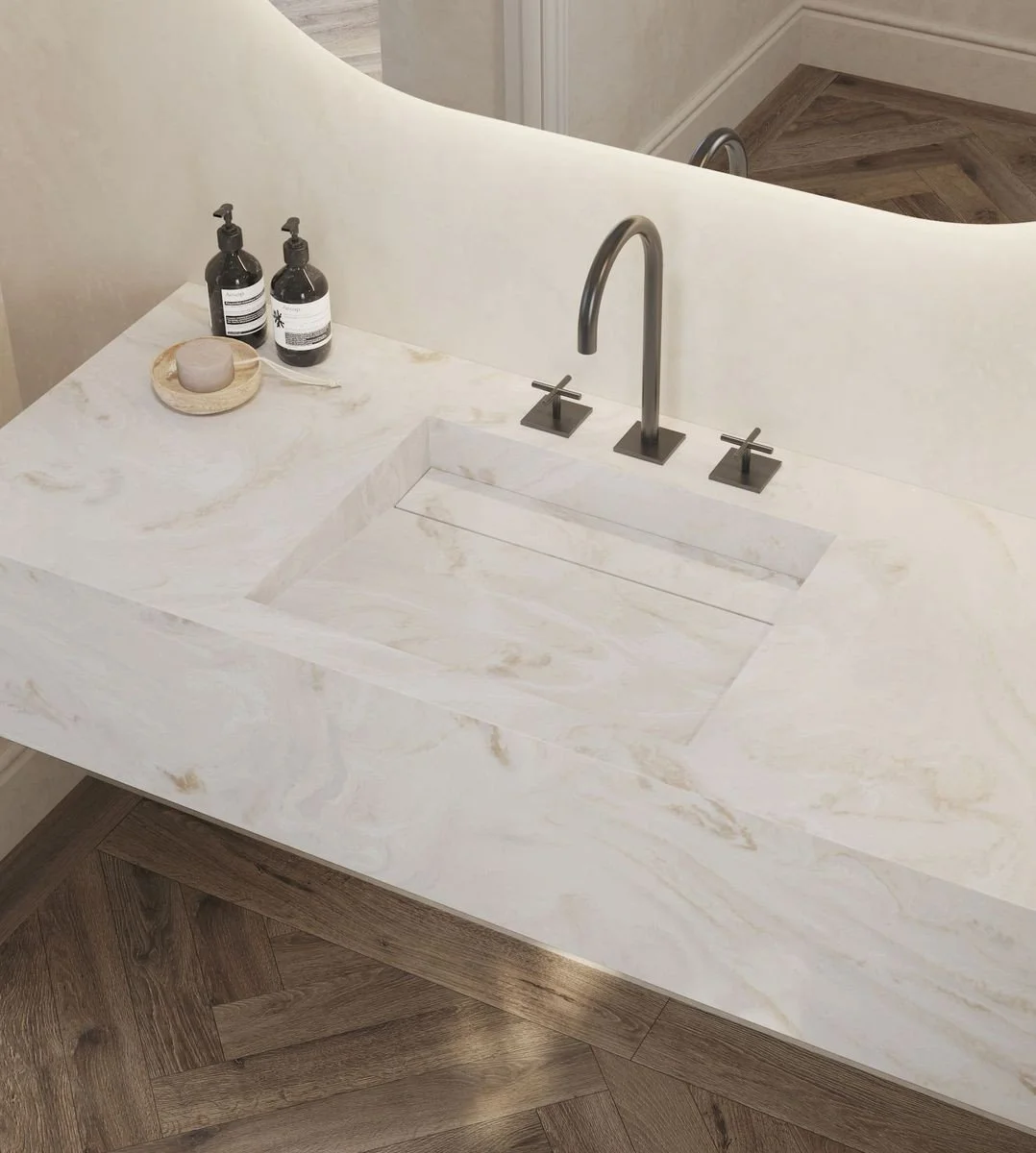
Pros
• Non-porous and hygienic
• Can be repaired and re-polished – one of the only solid surfaces where this is possible.
• Seamless appearance
• Through-body colour (chips and scratches are less obvious)
• Certain colours are translucent and can be backlit for a soft, even glow.
Cons
• Less heat resistant than stone
• Can scratch over time
• Less natural depth compared to stone or porcelain. It can often look a little dull.
Maintenance
Clean with warm soapy water and a soft cloth. Avoid harsh chemicals, abrasive pads and direct heat.
Minor scratches can often be sanded or polished out by a professional if needed.
Installation
Installed by a licensed solid surface fabricator.
Fabrication quality is key — particularly with joins, edge detailing and integrated sinks.
Thickness & slabs
The most common thickness is 12mm however some are available in 6mm or 19mm. The material is often built up at the edges to create a thicker visual profile (such as 20–40mm). Exact slab sizes vary by range and supplier.
Popular Suppliers
• Corian - https://casf.com.au
• Hi Macs - https://www.laminex.com.au
• Staron - https://austaronsurfaces.com
Best suited to:
Bathrooms, laundries, butler’s pantry and kitchens where a clean, seamless and low maintenance finish is preferred. Particularly well suited to homes or spaces where hygiene and ease of cleaning are a priority.
Timber / Butcher Block
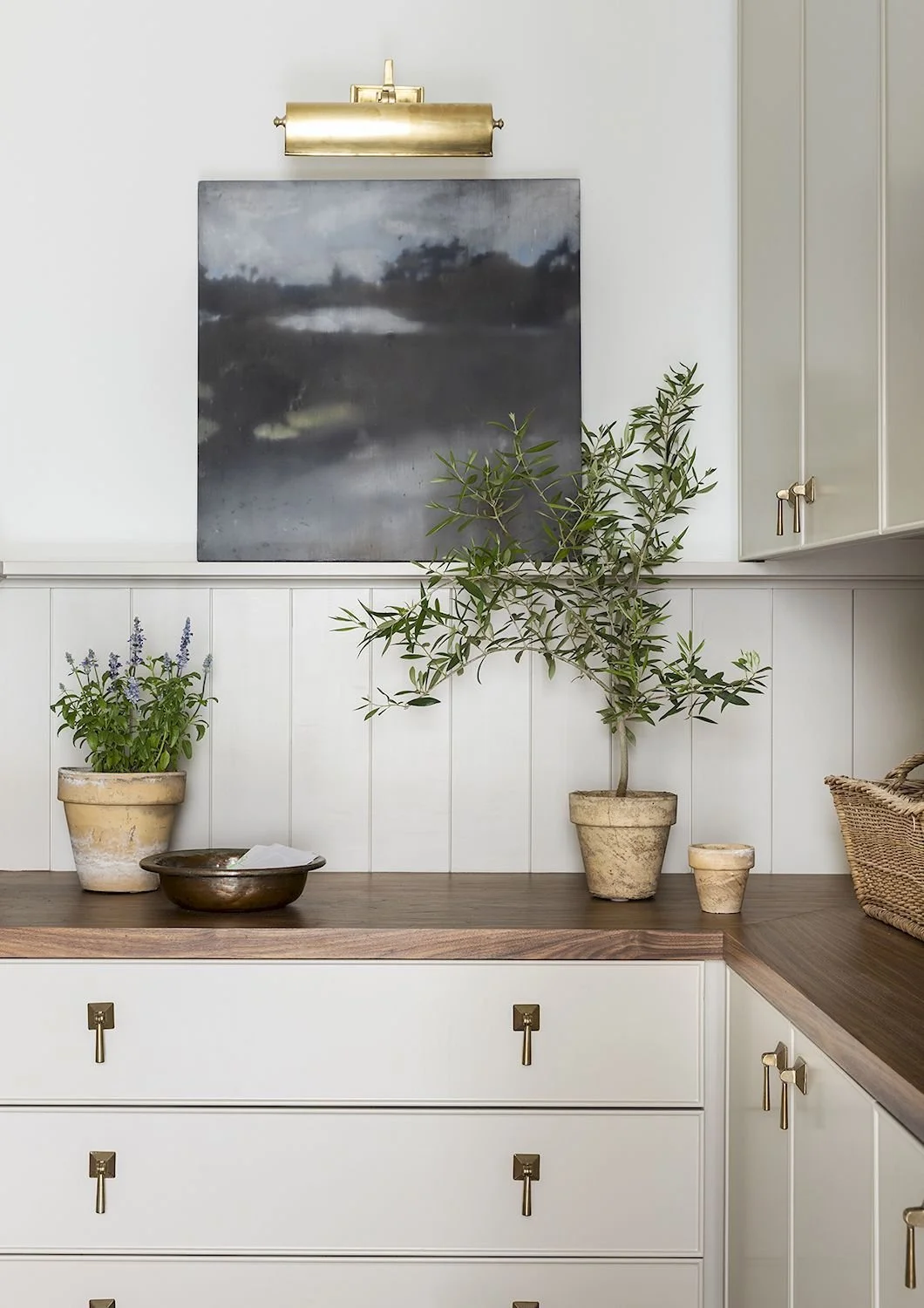
Timber benchtops are made from solid timber staves laminated together - such as oak, maple, or jarrah - creating a warm, tactile surface that brings instant character to a space. They soften kitchens visually and pair beautifully with stone, porcelain or painted cabinetry.
They’re a very different experience to stone or porcelain — more organic, more expressive, and more hands-on.
Pros
• Warm, natural and tactile
• Through-body material (scratches don’t reveal a different colour)
• Can be sanded and refinished over time
• Adds softness to a space
Cons
• Requires regular oiling or sealing
• Sensitive to water. Not ideal for high splash sink zones
• Timber does not tolerate high heat well.
Hot pots can scorch or burn the surface
Heat can dry the timber and cause cracking or movement
• Can dent or scratch more easily than stone
• Low to moderate UV resistance - prolonged exposure to direct sunlight can cause fading, darkening or uneven colour change over time so beware if installing close to a window, glass door or skylight.
Maintenance
Wipe spills promptly and avoid standing water.
Oil or seal regularly as recommended by your supplier, particularly around sinks. With care, timber can be refreshed and refinished rather than replaced.
Installation
Typically supplied and installed by a carpenter, custom timber fabricator, or cabinetmaker / joiner, sometimes with on-site finishing depending on the product and detail.
Thickness & slabs
The most common Australian thicknesses are 30mm, 32mm, 33mm, 36mm, and 40mm, with depths to suit standard cabinetry. Lengths vary by supplier and timber species.
Popular Suppliers
• All Timber Laminations - https://solidtimberbenchtops.com.au
• Loughlin Furniture - https://loughlinfurniture.com.au
• WasteWood (recycled hardwood benchtops) - https://wastewood.com.au
• Timber Benchtops Australia - https://timberbenchtopsaustralia.com.au
• Plus many local joiners and timber mills by region
Best suited to:
Kitchen islands, breakfast bars, butler’s pantries and homes where warmth, character and natural materials are a priority — especially when paired with a more durable surface elsewhere.
Stainless Steel
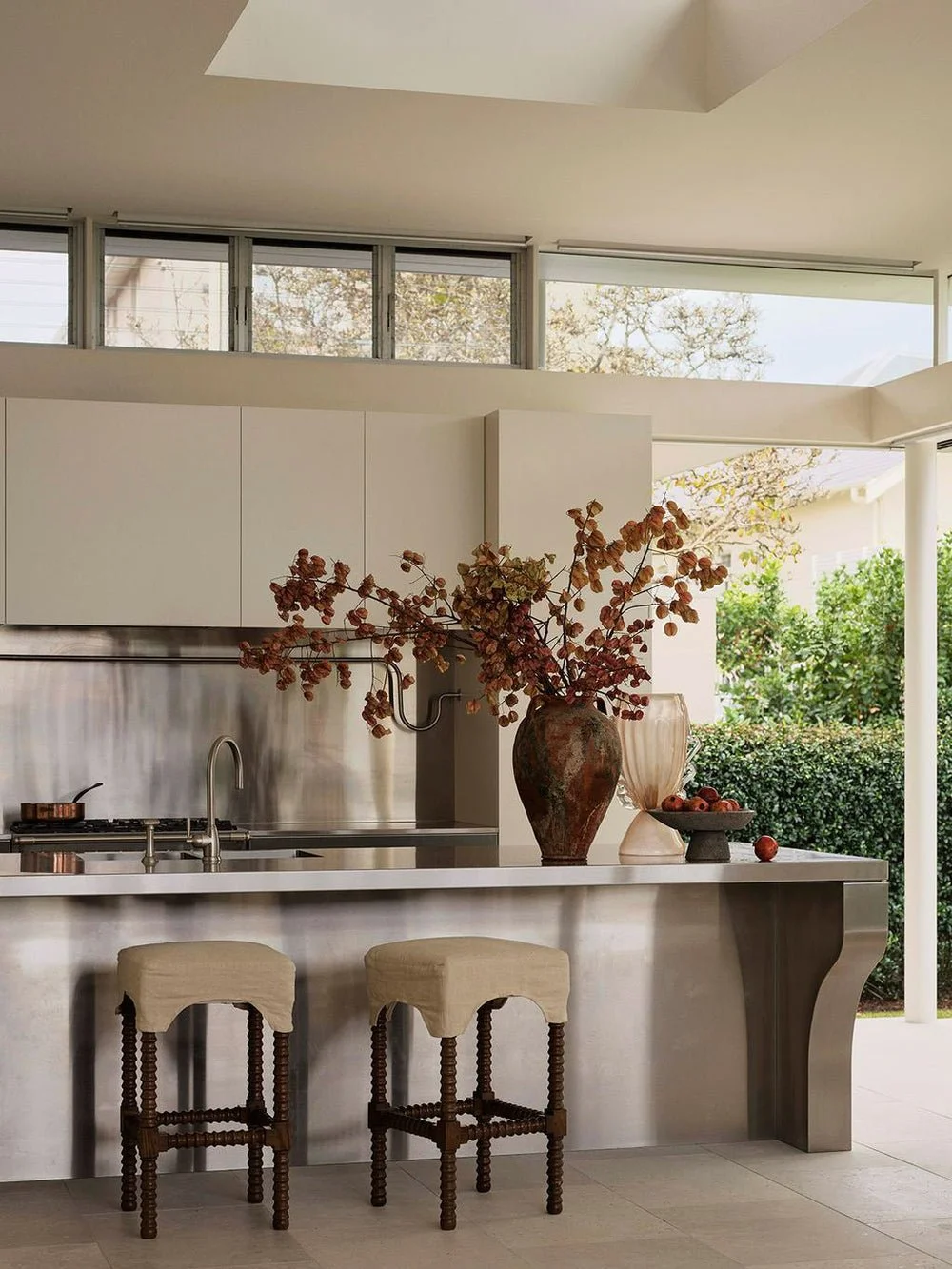
Stainless steel benchtops are fabricated from solid metal sheets, often with integrated sinks and drainer boards. Borrowed from commercial kitchens, they’re incredibly functional and increasingly popular in kitchens, laundries and butler’s pantries.
They bring a distinctly practical, utilitarian edge - best balanced with warmer materials around them.
Pros
• Extremely hygienic and water resistant
• Handles high heat extremely well - hot pots and pans can be placed directly on the surface
• Integrated sinks and drainers work beautifully
• Ideal for heavy-use areas
• Through-body material (solid metal throughout)
• Completely UV stable - it will not fade, discolour or degrade in sunlight
Cons
• Scratches and fingerprints are visible
• Can feel cold or industrial if not balanced
• Premium custom fabrication cost
Maintenance
Simple cleaning with mild detergent and a soft cloth.
For the best outcome use a stainless steel cleaner and wipe in the direction of the grain to maintain a consistent finish.
Installation
Fabricated and installed by a metal fabricator experienced in benchtop applications. Typically custom made to suit the cabinetry and layout.
Thickness & slabs
Fabricated from sheet metal over a substrate or support structure. Due to this the thickness is dependent on the design of the joinery piece
Popular Suppliers
• All Metal & Stainless Solutions - https://www.amssgroup.com.au
• A Class Metals - https://aclassmetals.com.au
• Ackland Stainless Steel - https://acklandstainless.com.au
Best suited to:
Laundries, butler’s pantries, outdoor kitchens and homes with serious cooks who value function, hygiene and durability above everything else.
Concrete & Microcement
Concrete and microcement benchtops offer a seamless, architectural look with a raw, textural finish. They can be poured in place or applied as a specialist coating over a substrate, depending on the system.
When done well, they’re striking. When done poorly, they can be problematic - installer expertise is everything here.
Pros
• Seamless, monolithic appearance
• Strong architectural and contemporary look
• Can wrap splashbacks
• Unique finish with natural variation
Cons
• Highly installer dependent
• Requires proper sealing and maintenance
• Concrete itself is heat tolerant, but the sealer is the weak point.
• Can stain or mark if sealing fails
• Repairs can be difficult to blend
• Moderate UV resistance - some finishes can fade, lighten or develop colour variation over time in strong sunlight, particularly lighter tones.
Maintenance
Clean with gentle, pH-neutral products. Avoid acidic cleaners and harsh chemicals.
Follow your installer’s sealing and re-coating recommendations carefully.
Installation
Installed by a specialist concrete or microcement applicator.
Popular Suppliers
• Edje Concrete - https://edjeconcrete.com.au
• Slab Culture - https://slabculture.com.au
• Concreative - https://www.concreative.com.au
• Microcement & Lime - https://microcementandlime.com.au
Thickness & slabs
Thickness varies depending on whether the surface is poured or applied as a coating. Microcement systems are typically thin-build over a substrate, while poured concrete is thicker and heavier. The overall design of the joinery also plays a key role.
Best suited to:
Contemporary and architectural homes where a raw, seamless aesthetic is a key part of the design.
Pricing: The Realities Behind Benchtop Costs
As much as I would love to tell you benchtop pricing is easy to break down and understand, it’s unfortunately a complicated topic.
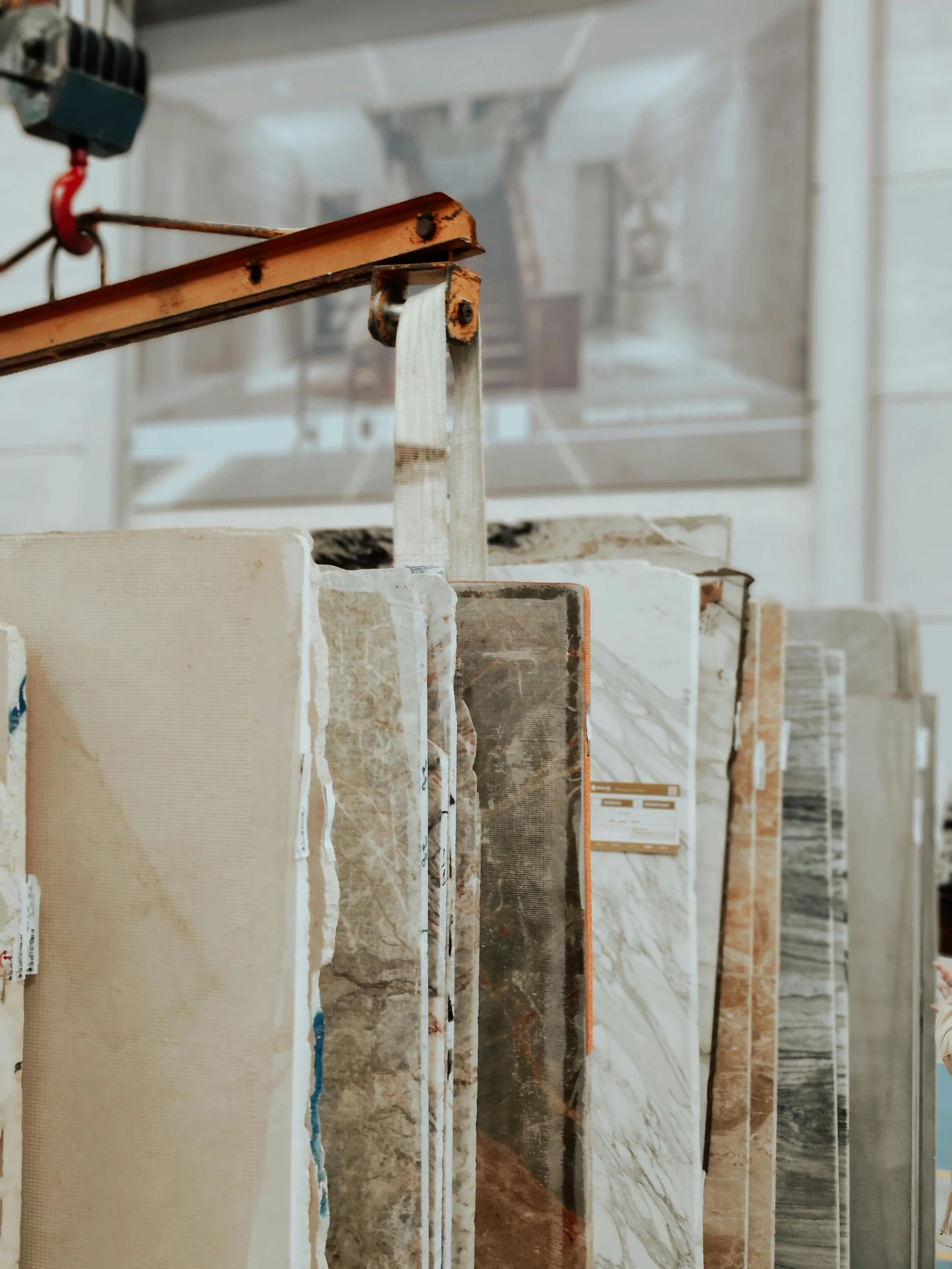
For example, the supply cost of a single natural stone slab can range anywhere from $1,200 to $15,000+, depending on size, rarity and demand. At the higher end, this often includes oversized slabs or one-of-a-kind, highly sought-after stones like Calacatta Borghini or Calacatta Viola.
There are also materials with low supply costs but high labour costs, and others where the material itself is expensive before any fabrication even begins.
Because of this, rather than focusing on exact pricing, I’ve broken benchtop materials down by how they generally stack up against each other in terms of supply cost only. This is a general guide only, as benchtop supply costs can vary widely depending on material, supplier, slab size, finish and availability.
Cost Effective
• Laminate
• Microcement & Concrete - material cost is low, but labour is where costs increase significantly
• Basic, entry-level Timber / Butcher Block - bamboo and lower cost timber panels
Mid to High Range
This category reflects materials with a wide price range between entry or builder grade level and luxury options.
• Premium Timber / Butcher Block - higher grade hardwoods & specialty species
• Natural Stone – Granite
• Engineered Mineral Stone & Low-Silica Surfaces
• Large-format Porcelain & Sintered Stone
• Solid Surface
Most Expensive
• Natural Stone – marble & exotic stones
• Stainless Steel - material cost is high even before fabrication
What It All Comes Down To
I was going to dive into the world of benchtop edge profiles too, but this guide is long enough already. Let’s call it a day and save that conversation for another post 😅.
If you’re after the bold or authentic look of natural stone and you’re happy to accept the maintenance and imperfections that come with it, then absolutely go for it! It’s your home so you get to choose what matters most – you do you as I like to tell my clients.
But if a particular option makes you hesitate even slightly - worrying about spills, kids, heat or upkeep, then that feeling is worth listening to. I’ve lived with natural stone, engineered stone and porcelain in my own homes over the years, and even as a designer who genuinely loves the beauty of marble and quartzite, I’ve reached a point where the maintenance just isn’t worth it for the life I lead.
If you lead a busy life, have mild OCD like me, or simply don’t want to tiptoe around your kitchen, give yourself permission to choose a benchtop that supports how you actually live, not just how it looks in a magazine spread.
If something’s still not quite clicking, drop your question in the comments below and let’s talk it through.
Until next time,