What is Full-Service Interior Design and Why Should I Care?
When most people picture an interior designer at work, they often imagine beautifully curated mood boards, endless fabric swatches and the final fluff of a perfectly placed linen cushion. And while creating aesthetic beauty is certainly a joyful part of the role, it’s really only the surface layer. In fact, much of that decorative element can be handled by an interior decorator or stylist - but that’s a conversation for another post as it’s a topic that raises my blood pressure and is usually accompanied by wild hand gestures.
A full-service interior designer operates at a much deeper level.
They are involved in every single layer of a project - from the initial brief, where we get deep into how you actually live (kids who treat the lounge like a gymnastics studio? A walk-in pantry that needs to hide bulk Costco runs? A partner who insists the TV must be visible from every possible angle?) right through to spatial planning, specifications, documentation, procurement and final styling. Yes, that means, still being there at the end when it's time to style the shelves and stock the cutlery drawer (if a true turn-key outcome is desired).
So, what does “full-service” actually involve? And why does that level of involvement matter for your project?
The Core Purpose: Maintaining Design Integrity
Often, an interior designer is engaged solely for the initial phases of a project. They handle the space planning, nominate all specifications, hand over a thorough set of drawings, and step away. On paper, this seems efficient. In reality, it leaves a significant gap. What many homeowners don’t realise is that the real complexity of a project begins after the selections are made.
A beautiful design on paper can be slowly chipped away at during the build and delivery phase, and it happens more often than you'd think. A product goes out of stock and gets swapped for something "similar" (I must have missed the memo that timber and vinyl were interchangeable). A measurement gets rounded down and the laundry hamper no longer fits. A detail gets skipped because no one's there to notice.
None of these things on their own are catastrophic. But together? They dilute the design. By the time you walk into the finished space, you're looking at a shadow of what was originally envisioned, and you can't quite put your finger on why it doesn't feel the way you expected it to.
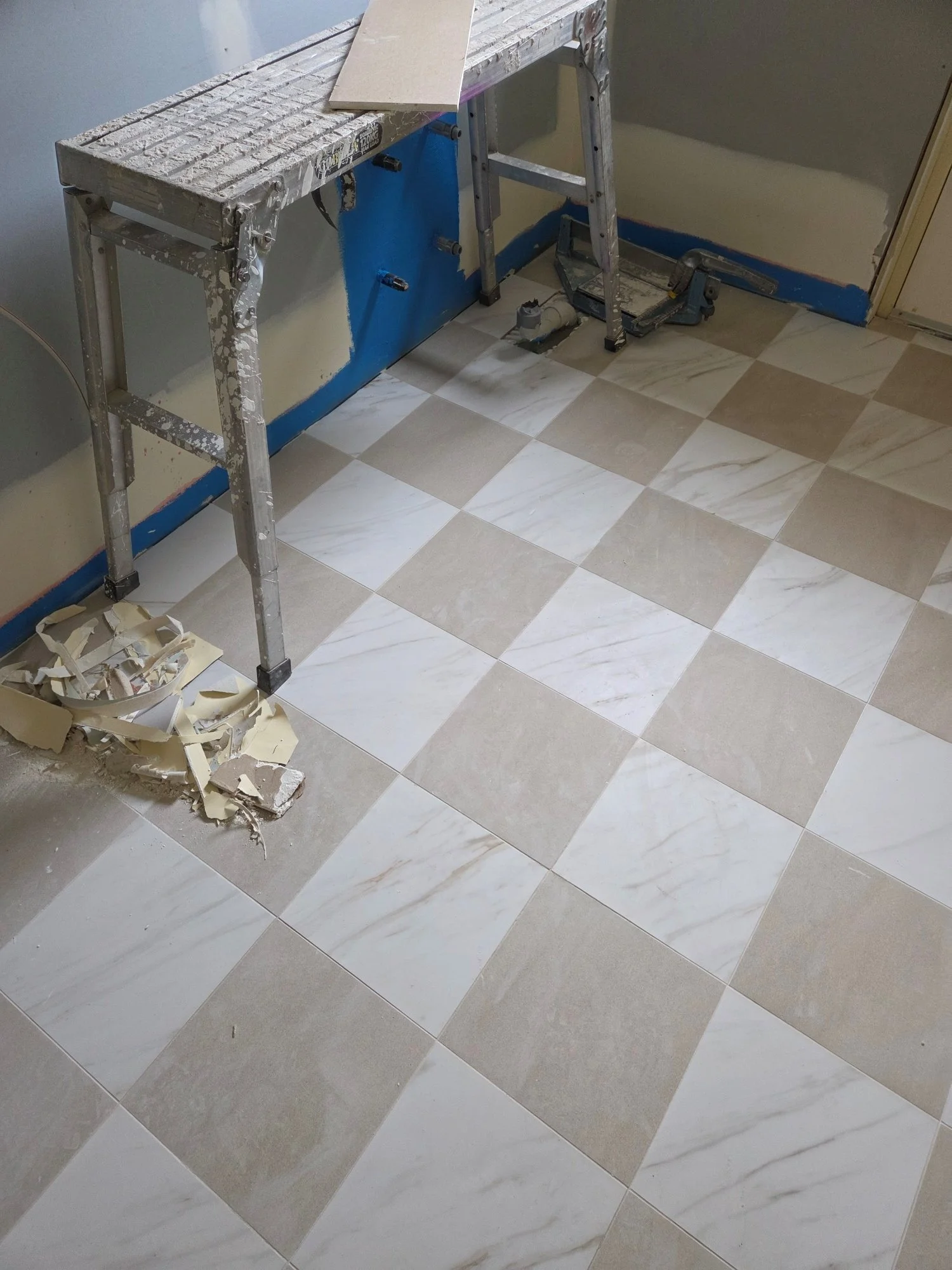
When an interior designer is engaged on a project from start to finish, they are the person safeguarding the integrity of the design at every stage. We are on site checking that the joinery is built to specification, that tiles are laid in the correct direction, that light fittings are installed at the right height. We’re the ones who notice the wrong grout colour was ordered and catch it before it goes on the wall - or have the uncomfortable conversation with the main contractor about rectifying a mistake they hoped a smile and a joke might distract me from.
This isn’t about being precious. It’s about ensuring the vision you signed off on (and paid for) is the one you actually get to live in.
Inside the Full-Service Design Journey
Every project is different, but in general, the process unfolds something like this:
Discovery & Briefing: It begins with understanding the client and the project in depth. Lifestyle, aesthetic preferences, priorities, practical requirements and non-negotiables are explored carefully. This stage forms the foundation for every decision that follows.
Concept Exploration: The overall design direction is established. This typically includes high-level imagery, mood boards, colour palettes, preliminary material selections and spatial planning (floorplans) that reflects how the home will actually be lived in.
Design Development: The details are refined. Custom joinery is designed, finishes are resolved, fixtures and fittings are selected, and every element is considered in relation to the whole. This is where cohesion is built and the design truly takes shape.
Documentation & Procurement: Detailed documentation is prepared for builders and trades, ensuring clarity around specifications and intent. At the same time, furniture, lighting, fabrics, fittings and accessories are ordered and managed, with lead times carefully coordinated to align with the construction schedule.
Construction Observation: The designer remains involved throughout the build, attending site at key milestones and liaising with the builder and trades. Shop drawings for custom elements are reviewed, questions are clarified, and decisions are guided to ensure the original design intent is carried through accurately.
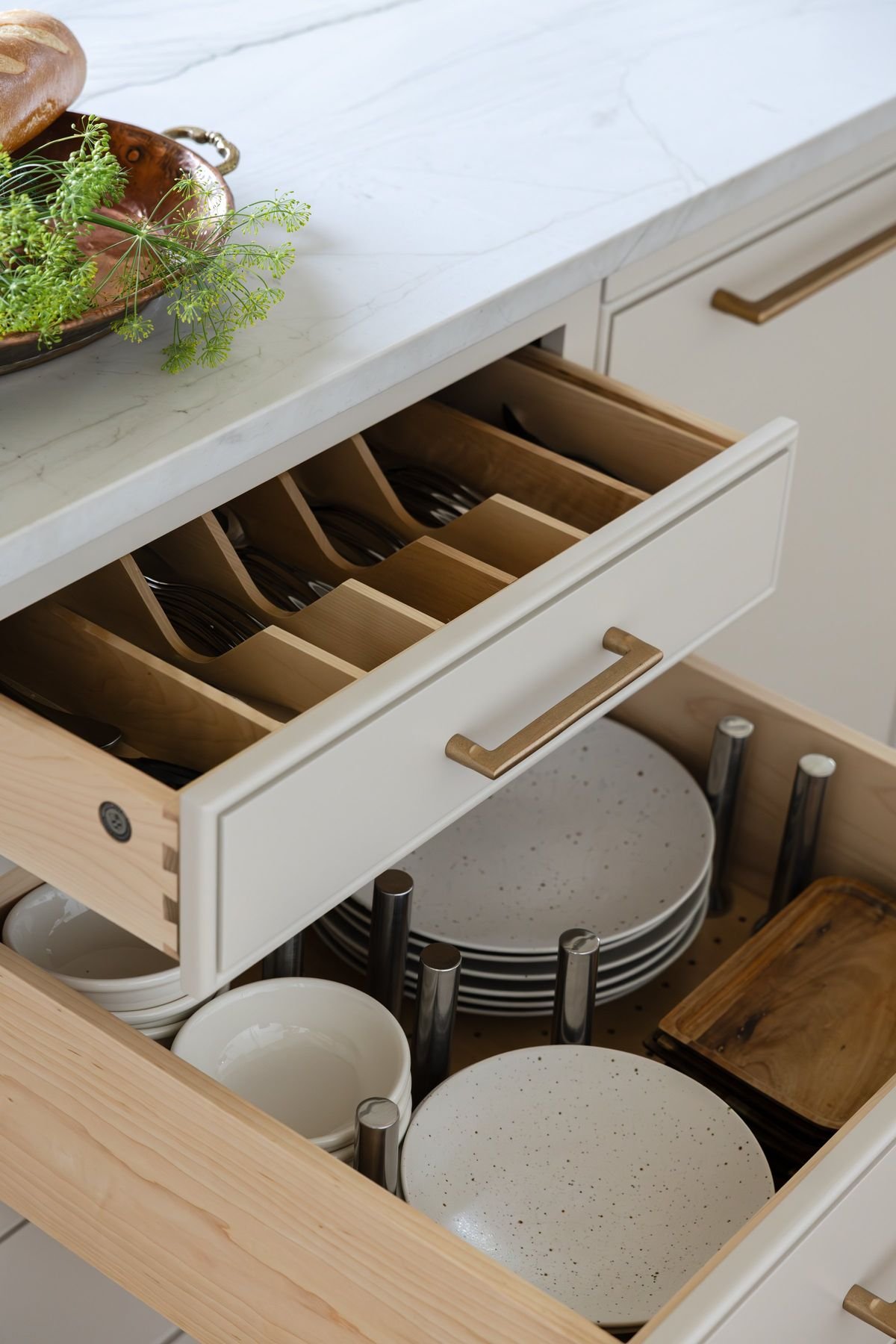
Styling & Handover: Once construction is complete and the dust has settled, the final layer is implemented. Furniture is installed, textiles are layered and styling elements are arranged to bring warmth and personality to the space. In a true turnkey approach, this can extend right down to the practical details - placing towels and toiletries, filling the cutlery drawer and ensuring the home is ready to be lived in from the moment you step through the door.
What is the Turn-Key Experience?
The pinnacle of full-service design is what’s often referred to as a turnkey service.
If you’ve never come across the term before, it means exactly what it suggests: every detail is handled so that the client can simply turn the key, walk in and start cooking in their beautiful new kitchen. In some cases, clients quite literally hand over their keys at the beginning of the process and don’t return until the final reveal. The intention is to remove the day-to-day stress, allow sweet anticipation to build, and create a moment of genuine surprise and delight at handover.
A turnkey experience includes all the benefits of full-service design - continuity from concept through construction and styling - but extends one step further. Beds are made with fresh linens. Towels are folded and placed. Bathrooms are thoughtfully arranged with everyday essentials. Kitchens are organised so drawers and cupboards feel intuitive from the very first morning.
Every layer is considered so the home doesn’t feel newly finished. It feels lived-in, calm and ready.
The Ultimate Luxury: Peace of Mind
At the end of the day, hiring a full-service interior designer isn't just about achieving a magazine-worthy aesthetic; it's about reclaiming your time and protecting your investment. By overseeing the project comprehensively, we ensure that the finished space isn't a diluted version of a great idea, but a fully realised, breathtaking home that is ready to be lived in the moment you step through the door.
For busy families and professionals juggling careers, school schedules (and the 57-message parents’ WhatsApp thread, including detailed updates about how Teddy’s left shoe allegedly exited the bus window; I don’t even know who Teddy is), and life admin, a full-service designer shouldn’t be seen as a luxury add-on. It’s the structure that keeps your project aligned, protected and continually moving forward.
Is it for everyone?
While full-service and turnkey design offer the most comprehensive level of support, there are also tailored packages available for different stages and scopes. Not every project requires end-to-end involvement, and guidance can be provided in a way that aligns with your needs, budget and timeline.
If you’re wondering whether full-service design is the right approach, reach out. We can have a conversation about your project and what level of involvement would best support you based on your current situation.
Simply get in touch via my contact page and we can take it from there. And if there’s anything this post hasn’t covered, feel free to leave a question in the comments below - though I still can’t help you with Teddy’s shoe.
Until next time,