The Missing Layer in Your Home Might Be Above You
It’s a funny thing - after 13 years of designing homes, I still see people agonise over flooring, test twenty different white swatches for the walls, and endlessly debate the perfect rug. But when it comes to the ceiling? Most people just slap on a coat of flat white and call it a day.
The ceiling, often called the fifth wall, is one of the most underutilised expanses of real estate in our homes. Especially across Sydney and the Southern Highlands, where we are blessed with such a mix of architecture, the ceiling is the perfect blank canvas for adding character, warmth and unexpected style.
Whether your home leans modern, transitional, or classic, decorative ceiling treatments can bring depth and intention to any room. So instead of defaulting to standard white, here are a few of my favourite ways to elevate your ceilings, while keeping the overall look timeless and liveable.
Wallpapered Ceilings: Soft Drama Above
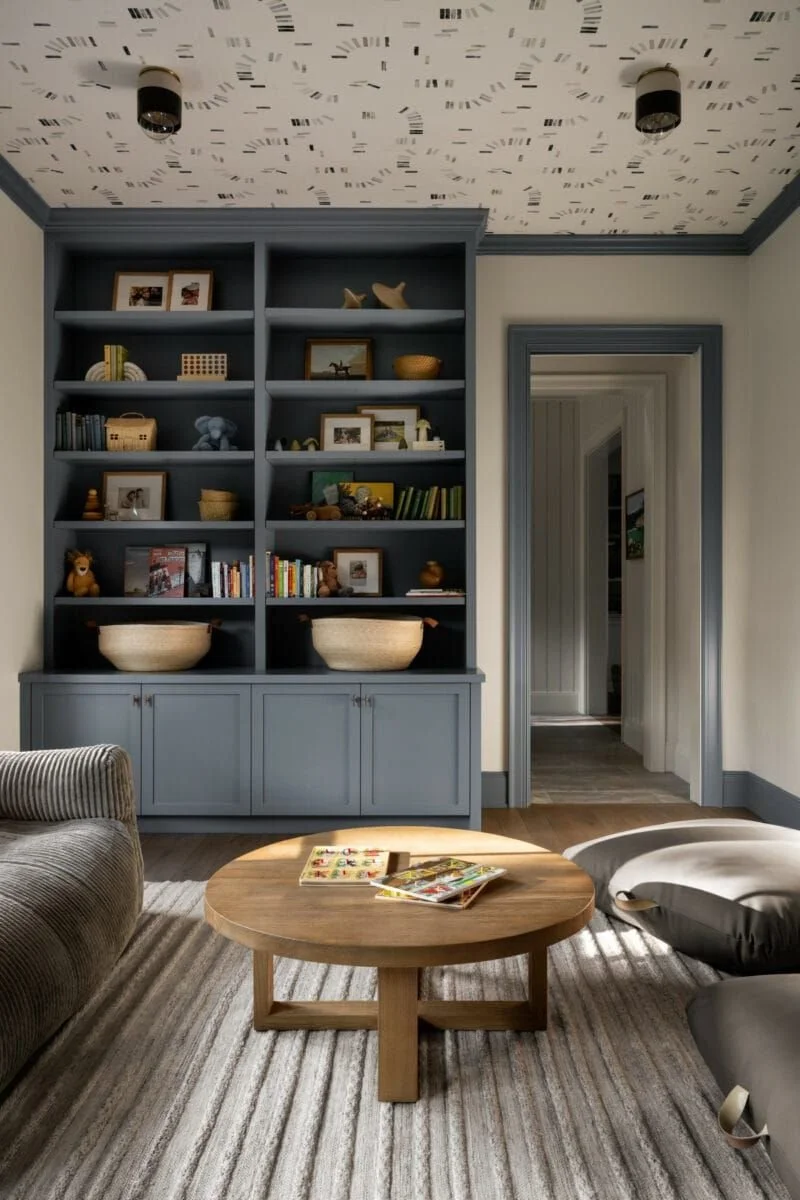
We usually reserve wallpaper for a feature wall or a powder room, but taking pattern and texture up to the ceiling is once again becoming increasingly popular. It adds incredible personality, drawing the eye up and either creating a grand canopy effect or making a large, stark room feel like a comforting hug.
For bedrooms, playrooms, dining rooms, or powder rooms, a ceiling wallpaper can add just enough contrast to make the room feel layered and complete. Think light florals, organic patterns, or textured grass cloths that bring warmth without competing with the rest of the decor.
For the DIY’ers out there - I’ll be completely honest with you, this is absolutely not a weekend DIY job. I would recommend you hire a professional and maintain your sanity. Fighting gravity while trying to perfectly align sticky seams will test your patience and your neck.
On the positive side, ceiling wallpaper would have been deemed a risky and bold move in the past, yet with the peel-and-stick options now on the market, the risk doesn’t seem so great anymore. Be unique, try something different, because what is the worst thing that can happen – you decide to peel it off and stick with the white ceiling behind.
Design tip: Unless you are aiming for intentional drama, keep the walls simple when using ceiling wallpaper. A neutral wall colour allows the ceiling to shine while maintaining a calm, cohesive feel.
Feature Beams: Instant Warmth and Architectural Charm
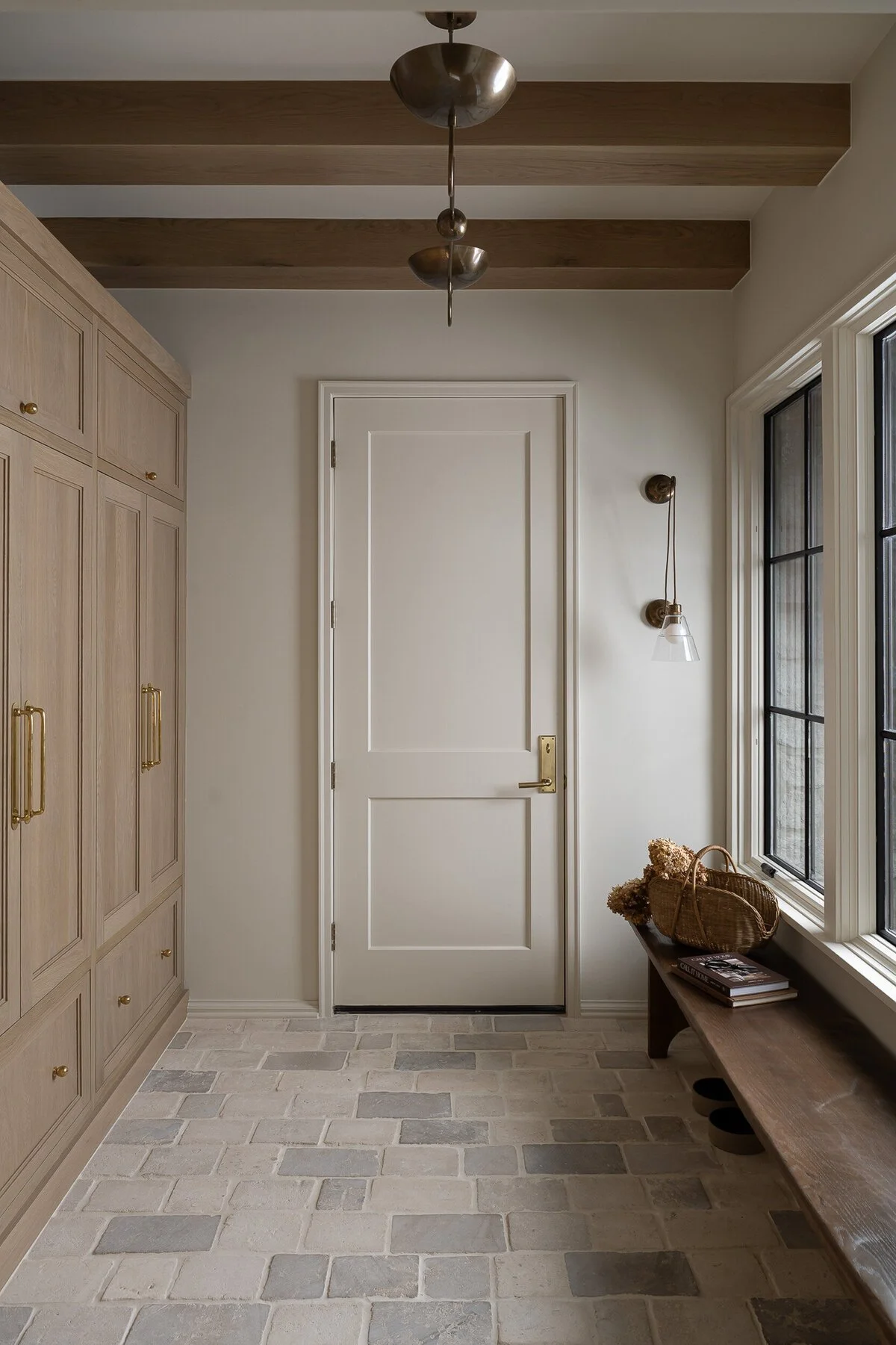
Whether they are genuine structural timbers or faux additions, exposed beams running across a ceiling bring a special sense of history and architectural warmth to a space. They add a grounded, earthy quality that beautifully complements transitional style homes.
When I work on my own personal renovation projects, I’m typically working with a very standard 80’s or 90’s home – bless them - with little existing character. One of the first things I do when beginning the planning and design is work out where we can inject historical or feature elements into the house so that it looks like it was always there. One of my absolute favourite ways is to add faux beams to the ceiling – particularly if we have the luxury of height, as unfortunately in those old houses we are usually working with standard 2.4m ceilings.
Design tips: Beams don’t have to be rustic. Clean-lined beams with a lighter finish work beautifully in contemporary and coastal-inspired homes. If your ceilings are already on the lower side, adding chunky timber can feel a bit heavy so consider proportion and whether they are realistic in the space.
Timber Lining: Texture That Feels Cozy and Elevated
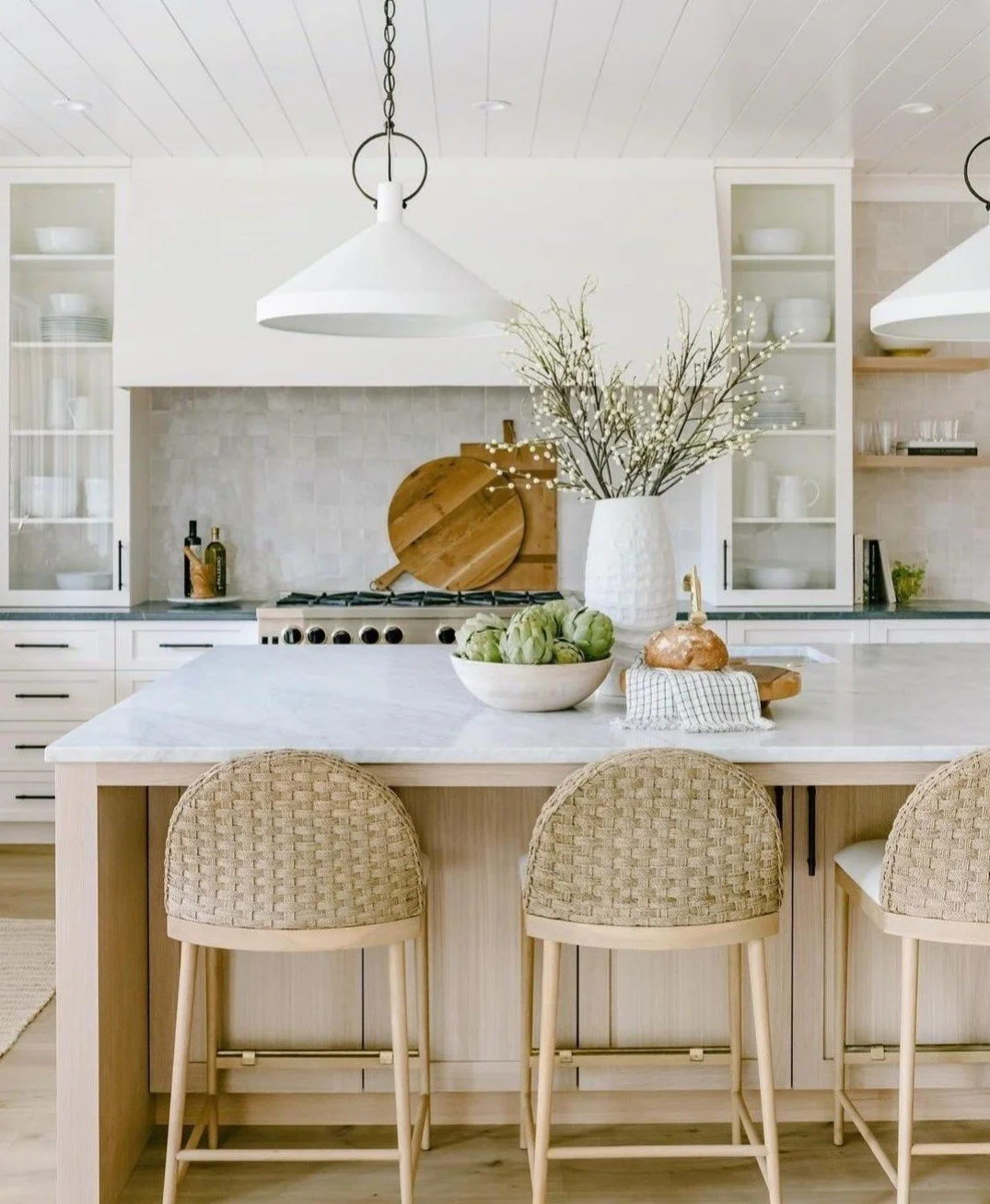
Timber lined ceilings such as v-groove or shiplap boards are having a moment - and for good reason. They add subtle texture, warmth, and a relaxed sensibility that instantly makes a room feel more inviting.
Whether it’s in living rooms, entryways, kitchens, or covered outdoor areas, it softens a space and can be remarkably forgiving if you’re trying to cover up an uneven older ceiling, a dodgy 90’s plaster job, or whatever questionable DIY decisions the previous owners made. The reality though, is that timber lining is an investment in both material and skilled carpentry. You also need to be mindful of the scale; a very busy, narrow board profile in a smaller room can sometimes feel a little too cluttered.
Design tip: Using lighter wood tones or whitewashed finishes ensure the room remains light and airy, especially in rooms with lower ceilings. Natural timber tones introduce depth and a more grounded, organic feel.
Coffered Ceilings: Architectural Depth and Elegance
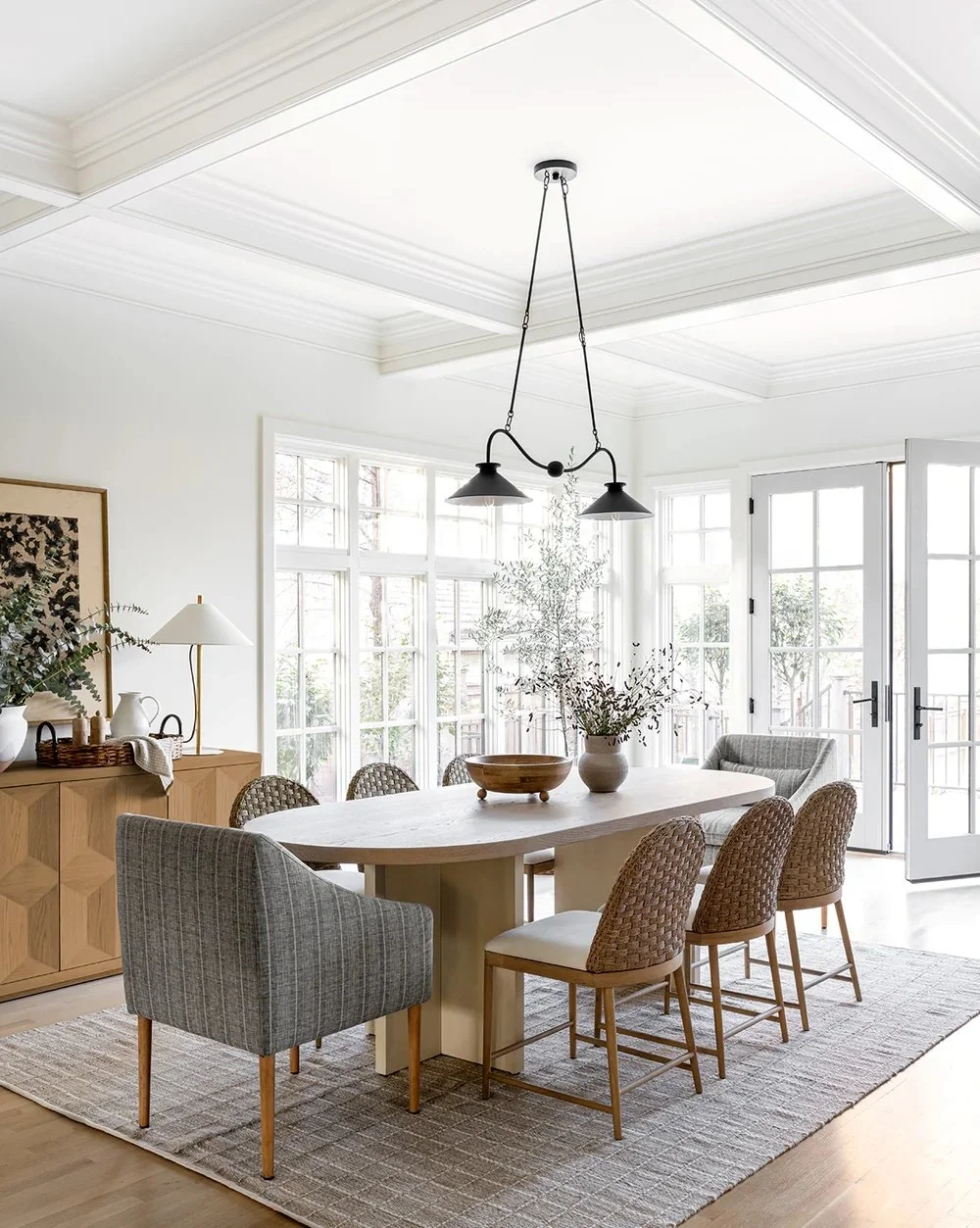
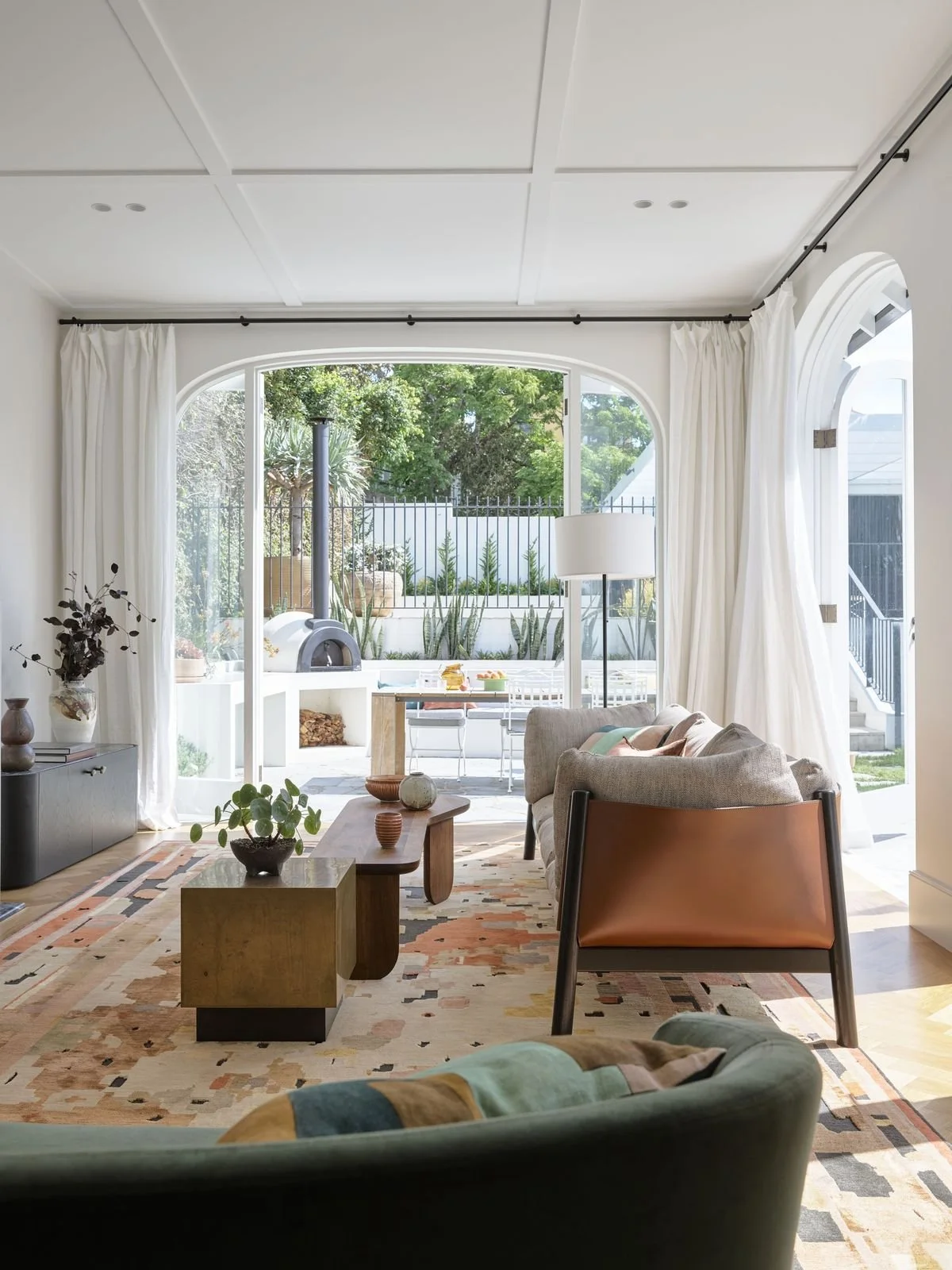
What is a coffered ceiling you ask? a coffered ceiling features a grid of sunken panels, usually trimmed out with beautiful moulding. If you want to add a sense of history, elegance, and serious architectural depth to a living or dining space, this is the way to do it. As a bonus, all those angles and panels work wonders for dampening sound in large, echoey rooms.
However, much like exposed or decorative beams, they demand generous ceiling heights to start with because the space will feel oppressive with low ceilings. I wouldn’t consider it if you have heights below 2.7m. It’s also one of the more expensive and labour-intensive treatments on this list, requiring precision craftsmanship to get right.
Design tip: The more intricate the trim and mouldings, the more ornate the ceiling will feel, which is suited to heritage or traditional homes. Consider a simpler, pared back design for styles like Hampton or modern Country.
Decorative Trims: Subtle Detail, Strong Impact
If wallpaper feels like a bit too much, and you don’t have the height to accommodate beams or coffered ceilings, decorative trims sit in that lovely middle ground.
Trims are the finishing detail that pulls everything together. They add just enough depth and structure to cabinetry, walls or ceilings to make it feel considered, without turning it into the main event. It’s less about making a statement, and more about creating yet another layer to achieve interest and character. If you’ve introduced wall panelling or have chosen cabinetry panels with a decorative element such as a shaker or v-groove profile, trims on the ceiling can echo that language and bring everything into cohesive alignment.
It can also be a highly effective tool for subtle space planning. In open-plan homes, a ceiling treatment using decorative trims can help define a specific zone, such as anchoring a formal dining space or framing a living area, without the need for physical partitions. A strategically placed ceiling rose, or an intricate border of panel moulding can also perfectly frame a statement pendant, drawing the eye up and giving the lighting fixture a purposeful context.
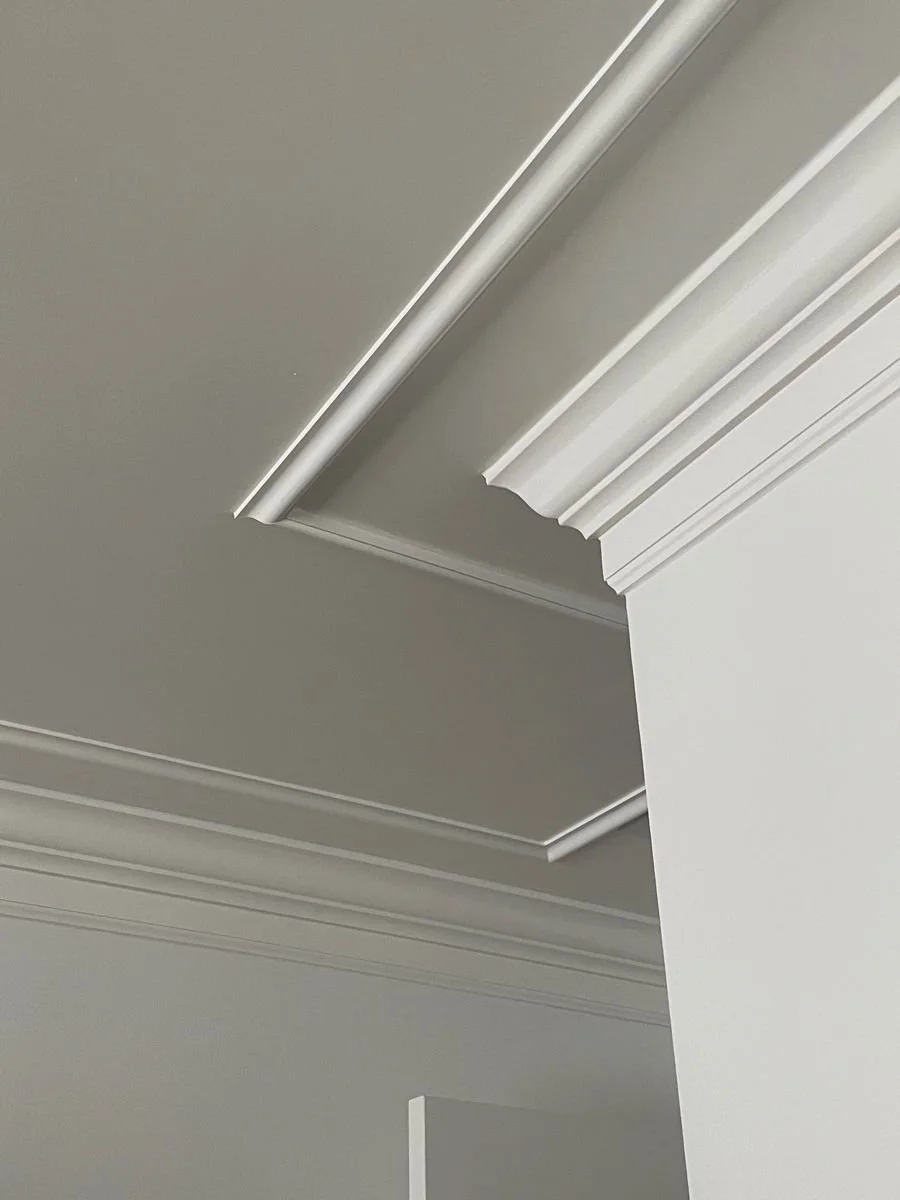
The beauty of decorative trims lies in their sheer adaptability across different design styles:
Traditional & Heritage: Intricate profiles, deep cornices, and detailed ceiling roses showcase craftsmanship and nod to classic architecture.
Contemporary & Textural: For a more modern application, sleek, low-profile trims or simple picture-frame mouldings can be applied and colour-drenched in the exact same shade as the ceiling. This creates a sophisticated, tone-on-tone layer of depth that adds custom character to the interior architecture without overwhelming the space.
Like most things, it comes down to restraint. The beauty of decorative trims is that they don’t compete for attention. You might not walk in and immediately notice them, but you’ll absolutely feel the difference.
Whether you are restoring character to an older property or injecting personality into a brand-new build, applied trims offer a refined, tailored finish that instantly elevates any room.
Paint: Colour Drenching and Soft Contrast
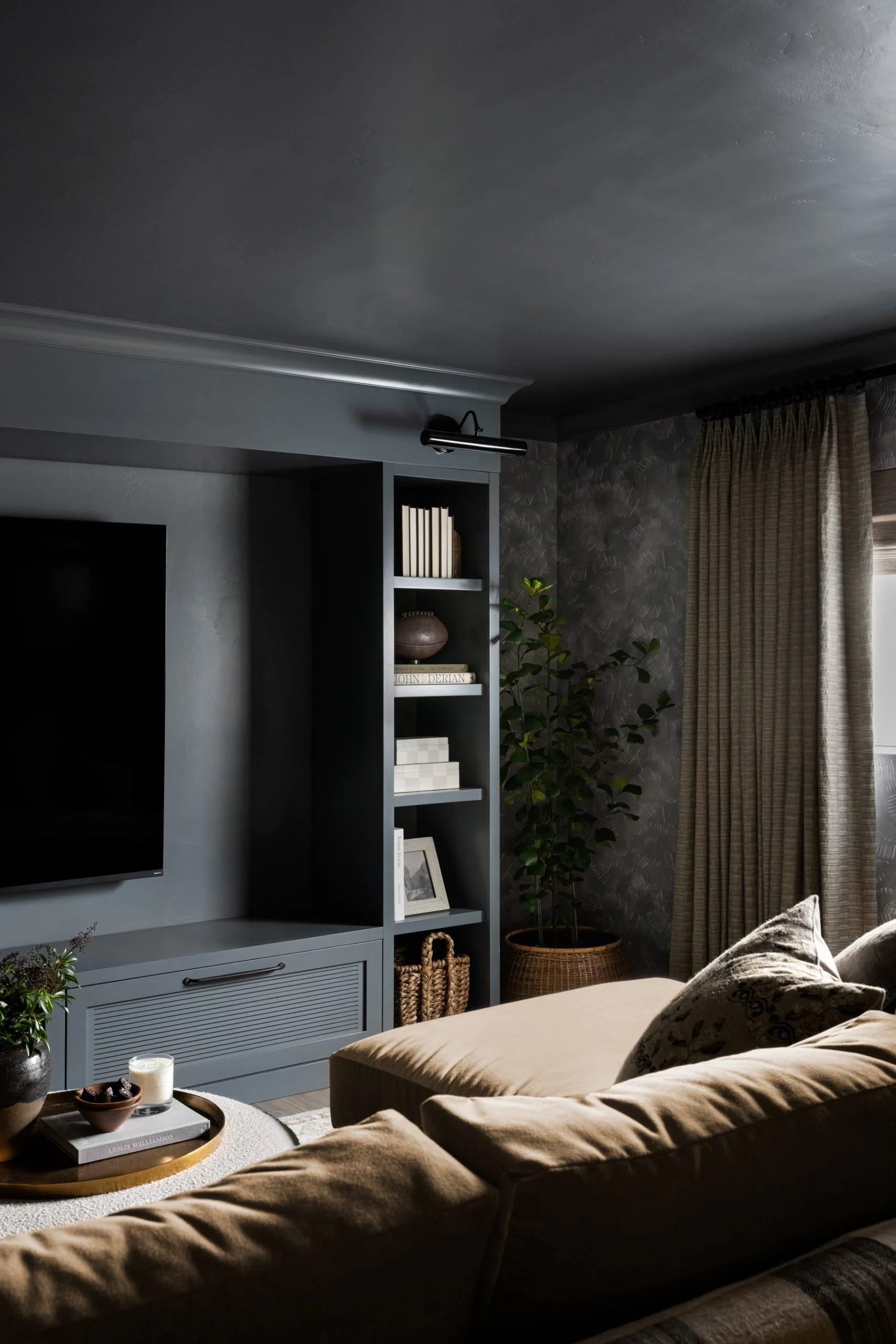
When it comes to paint, stepping away from standard ceiling white is the most accessible way to completely shift the mood of a room. In comparison to the other treatments discussed above, it’s understated but incredibly effective. Right now, there are two approaches I absolutely love. The first is colour drenching - taking your wall colour all the way up and over the ceiling, trims and all (it can also include the cabinetry). The second is a soft contrast approach, where you paint the ceiling in a gentle, complementary shade, like a soft, earthy beige above darker or lighter walls depending on the mood you are trying to create
Colour drenching is brilliant for creating a cocoon-like intimacy. It blurs the harsh corner lines where the walls meet the ceiling, which can actually make a smaller room feel unexpectedly grand and incredibly cohesive.
Design tip: deeper or highly saturated colours will absorb light so I would be careful of colour drenching in a room that lacks natural light as it can feel dark and cave like.
On the other hand, the soft contrast approach is perfect if you want to draw the eye upward and add a layer of personal storytelling without fully committing to a drenched room. It keeps the space feeling airy while adding a beautiful, unexpected dimension overhead. The catch here is that you are playing a very delicate game of undertones; if the ceiling colour doesn't perfectly harmonise with your walls, it can look like an accident rather than an intentional design choice.
Choosing the Right Treatment for Your Space
The key to a successful ceiling treatment is balance. Consider the scale of the room, ceiling height, and overall design style of your home. Decorative ceilings should enhance the space, not overpower it.
As always, the best homes aren’t designed by following rigid rules. They’re designed by layering elements that feel genuinely right for the people living there. Elevating your fifth wall might seem daunting, but it’s often the missing piece that ties an entire room together.
Will you be embracing any of these ceiling treatments in your own home? Or are you happy sticking to a crisp white overhead?
I’d love to know your thoughts in the comments 👇
Until next time,