Renovation Gold — 10 signs a house is ripe for a makeover
Whether you’re house-hunting for your forever home or searching for an investment property with hidden potential, recognising a home that’s ideal for renovation is a skill worth having. Not every house is a good candidate, and sometimes the prettiest listing isn’t the smartest one to buy.
As an interior designer, I often guide clients through renovation feasibility—what’s possible, what’s practical, and what’s worth walking away from. If you’re shopping for a property with transformation in mind, here are the key qualities that make a home genuinely renovation ready.
Strong, Healthy “Bones”
The phrase “good bones” gets thrown around a lot — often loosely — but it actually matters because it refers to the structural integrity of the home.
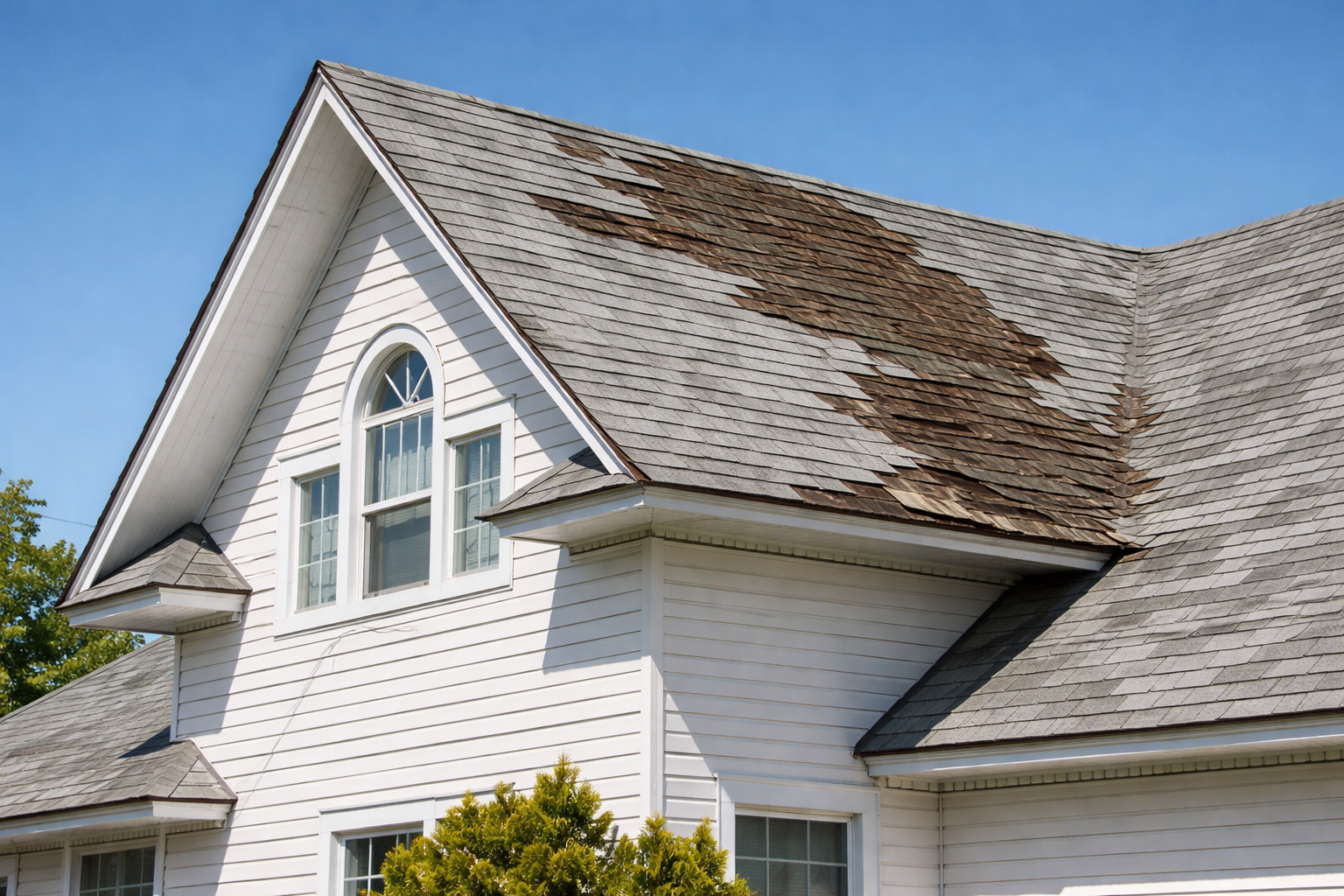
Look for:
Solid foundations
Straight rooflines - a roofline that looks level and well-supported, without any obvious bowing, cracking, or buckling
Minimal cracking in walls
No signs of major water damage (think sagging ceilings, musty smells, mould, or suspicious wall or ceiling stains — none of which improve with optimism)
Quality original materials (timber floors, hardwood or steel framing, brickwork etc)
Homes with good bones allow your renovation budget to go toward improving the home, not repairing it. That means more money for beautiful finishes, better layouts, and meaningful upgrades – less on black mould, new subfloors, or replacing/relining pipes.
A Functional (or Flexible) Floor Plan
You can change flooring, kitchens, and bathrooms—but moving structural walls, relocating plumbing, or extending the footprint is where costs quickly escalate.
An ideal renovation property has:
A layout that already flows reasonably well
The ability to open up spaces without significant structural change
Bedrooms and bathrooms in logical zones.
Having a bathroom door right next to your dining area is a design faux pas for a reason. Besides the obvious privacy issues, it’s… let’s say, not the most appetising backdrop for your meals. Not to mention an awkward situation for guests and family members alike.Good access to natural light
Even if the layout isn’t perfect, look for flexibility. Often swapping the function of a room, removing a single wall or shifting a doorway can completely transform how the home feels.
A Generous Square-Metre (m2) Footprint
A home doesn’t need to be large to be workable—but the more usable space you start with, the more options you have.
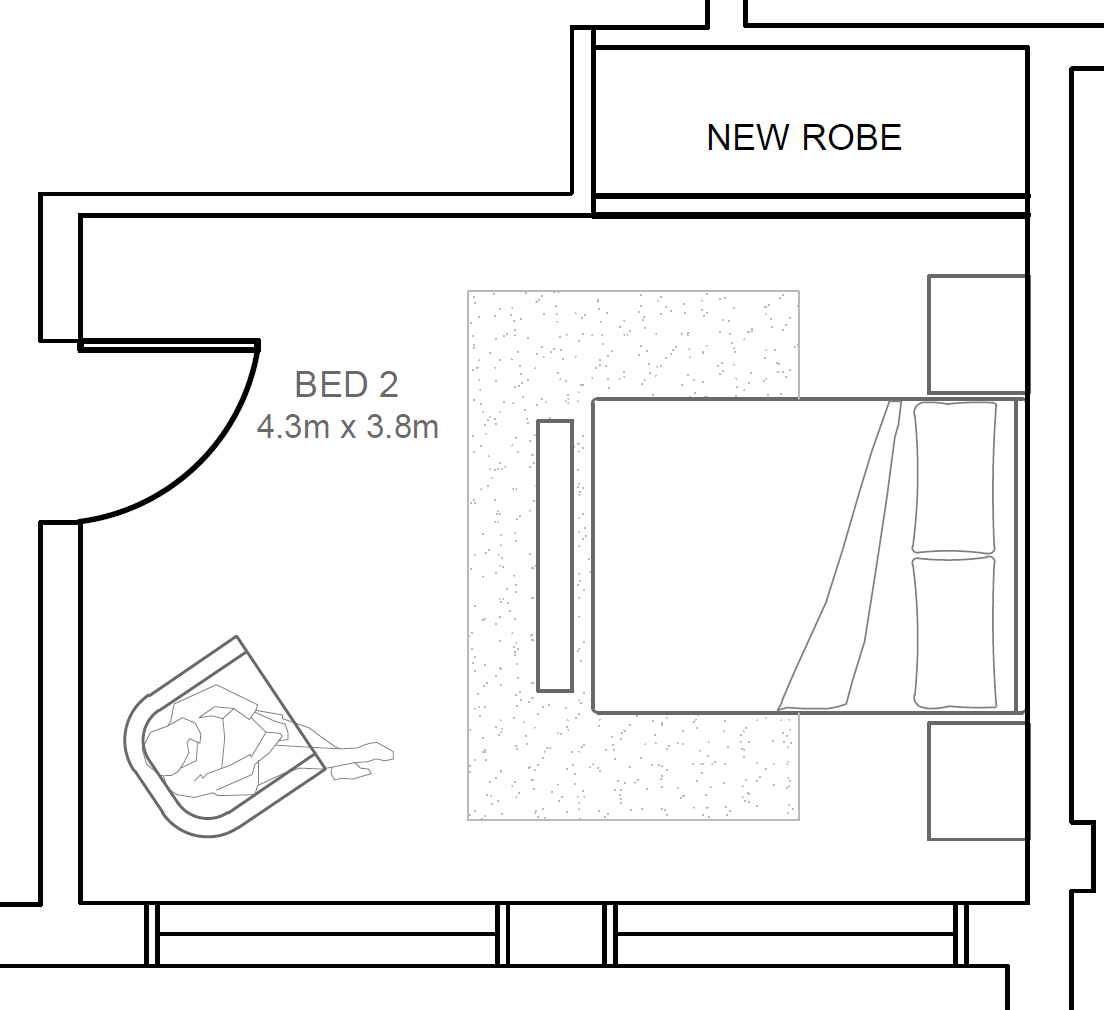
Positive signs include:
Well-proportioned rooms.
As an example, I try to avoid bedrooms that are smaller than 3m x 3m or below 9m2-10m2 and master bedrooms below 16m2. Why you ask – because most people want flexibility with each room. They want to know that they can fit at least a double bed, if not a queen, a decent wardrobe and possibly a small desk into an average bedroom. When rooms get too small or too narrow, space planning becomes a real challenge.Enough existing space to reconfigure without extending
Underutilised areas (e.g., enclosed verandas, oversized laundry rooms)
Ceiling heights that allow for a sense of volume and light.
When I first saw our Westbrook house, I knew it was the one due to its uncommon, raked ceiling over the main living area. Most older houses that you come across are going to have 2400mm high ceilings, so when you find a unicorn with 2600mm and above – that’s a big draw card.
A solid footprint often unlocks the most cost-effective renovations because you’re improving what’s already there rather than building from scratch.
Good Orientation & Natural Light
Light is one of the most transformative elements in design. A house with strong natural light already feels warmer, brighter, and more inviting—and requires far less work to enhance. Sometimes no amount of white paint is enough – even if its vivid white!
Great signs include:
North-facing living areas (in Australia)
Windows positioned to capture morning or afternoon sun
Ability to add skylights or larger openings.
One thing I do on most projects is widen the opening to the main bedroom corridor. For some reason it always seems to be this pokey, narrow, awkward doorway which renders the whole area dark and dingy and cheapens the house. It’s one of those seemingly minor design changes which can have a significant impact.Outdoor spaces that connect seamlessly with indoor rooms.
I say ‘no thank you’ to homes where the kitchen is buried in a front corner, while the patio or alfresco sits miles away at the other end of the house. Sorry, this isn’t the 1950’s – I won’t be in the kitchen cooking up a storm away from all the frivolity.
A poorly oriented home can still be renovated, but achieving the same warmth and flow often requires bigger interventions = a whole lot of dough 💰.
Look for the Worst House on the Best Street
The saying has been around forever, but it still rings true. When it comes to renovating, sometimes the best strategy isn’t finding the largest or prettiest home - it’s finding the diamond in the rough.
Because location is everything (so they say). A house might need a full makeover but if it’s in a prime street, school zone, close to the shops or local coffee spot, you’re buying more than bricks and mortar. You’re buying future value.
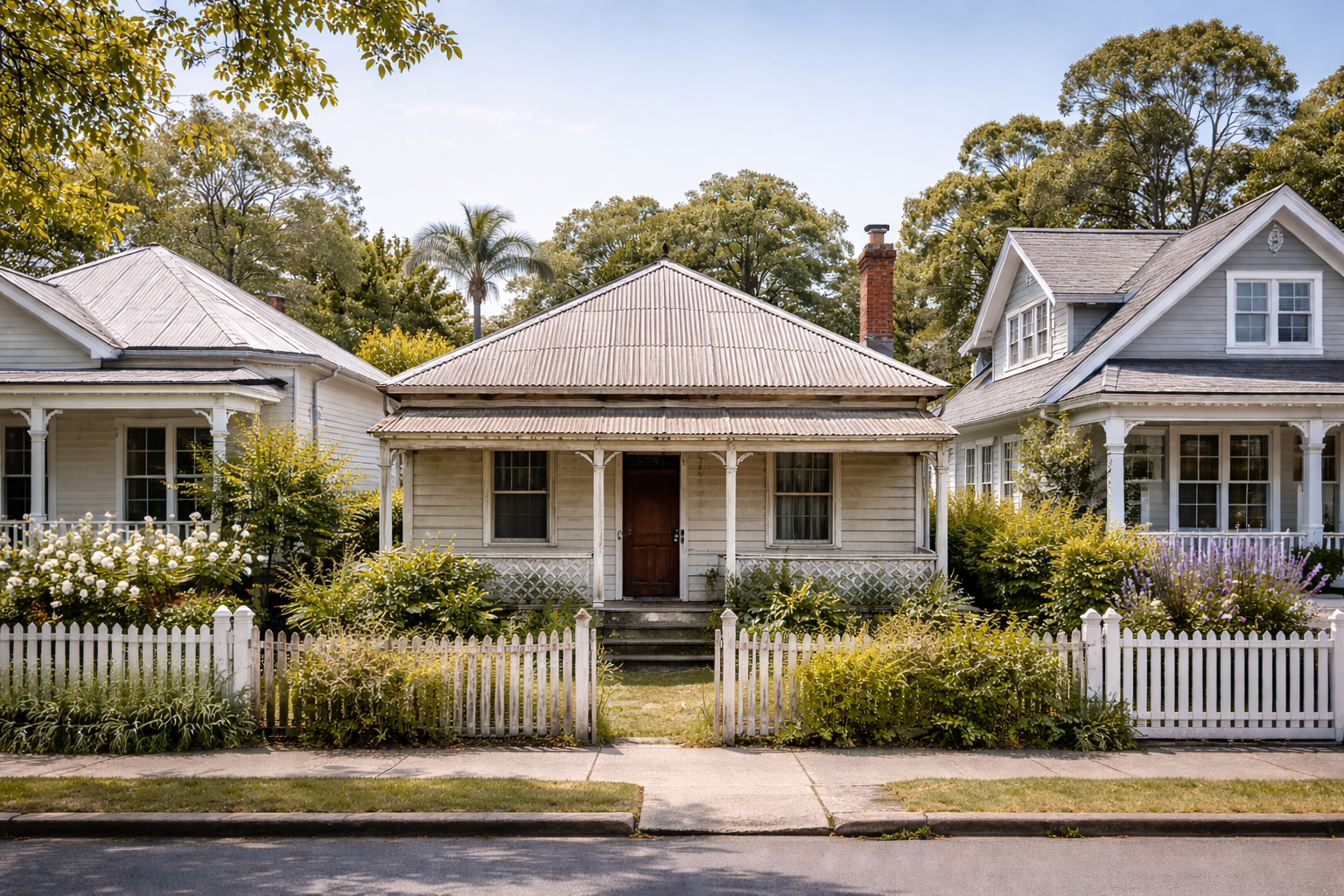
Of course, nothing is guaranteed and renovating is never foolproof. But buying a house on a street with proven sales, strong buyer interest, and high prices gives you a head start—something you won’t get in a street full of older homes all ripe for an update, where there’s no track record or prior experience to guide you.
So how do you know / where can you find this information?
You can always ask local real estate agents, but I recommend heading straight to Domain or realestate.com.au and checking the past year’s sales in your suburb. Narrow the results by your ideal resale price, number of bedrooms & bathrooms, and property size, to spot clusters of high-quality sales. Once you’ve identified promising pockets, take a drive through the area to get a feel for the types and quality of houses on those streets.
Minimal Structural Complications
Some homes hide expensive surprises that can quickly swallow your entire renovation budget. Be cautious of:
Significant foundation movement
Termite damage
Poor DIY renovations by previous owners
Sagging roofs or complex rooflines
Asbestos - houses built or renovated before 1990 are highly likely to contain asbestos
Yes, it may cost around $400–$700 depending on the size of the home, but a pre-purchase building and pest inspection is essential. Cosmetic updates are far easier (and cheaper) to tackle than structural repairs.
Character Worth Preserving
Homes with charm and history often make the most rewarding renovation projects—both aesthetically and financially. Features like:
Original timber floors
Ornate cornices or decorative ceilings
Classic facade details
Fireplace surrounds
Solid wood doors or trims
Stained glass windows
These elements add value and soul, offering a unique starting point for a modernised, beautifully layered home. Minimal homes are currently out, and transitional homes are in. Transitional style homes blend traditional and contemporary elements to create spaces that feel timeless, balanced, and comfortable.
Outdoor Potential
A great renovation property extends beyond the interior. Keep an eye out for:
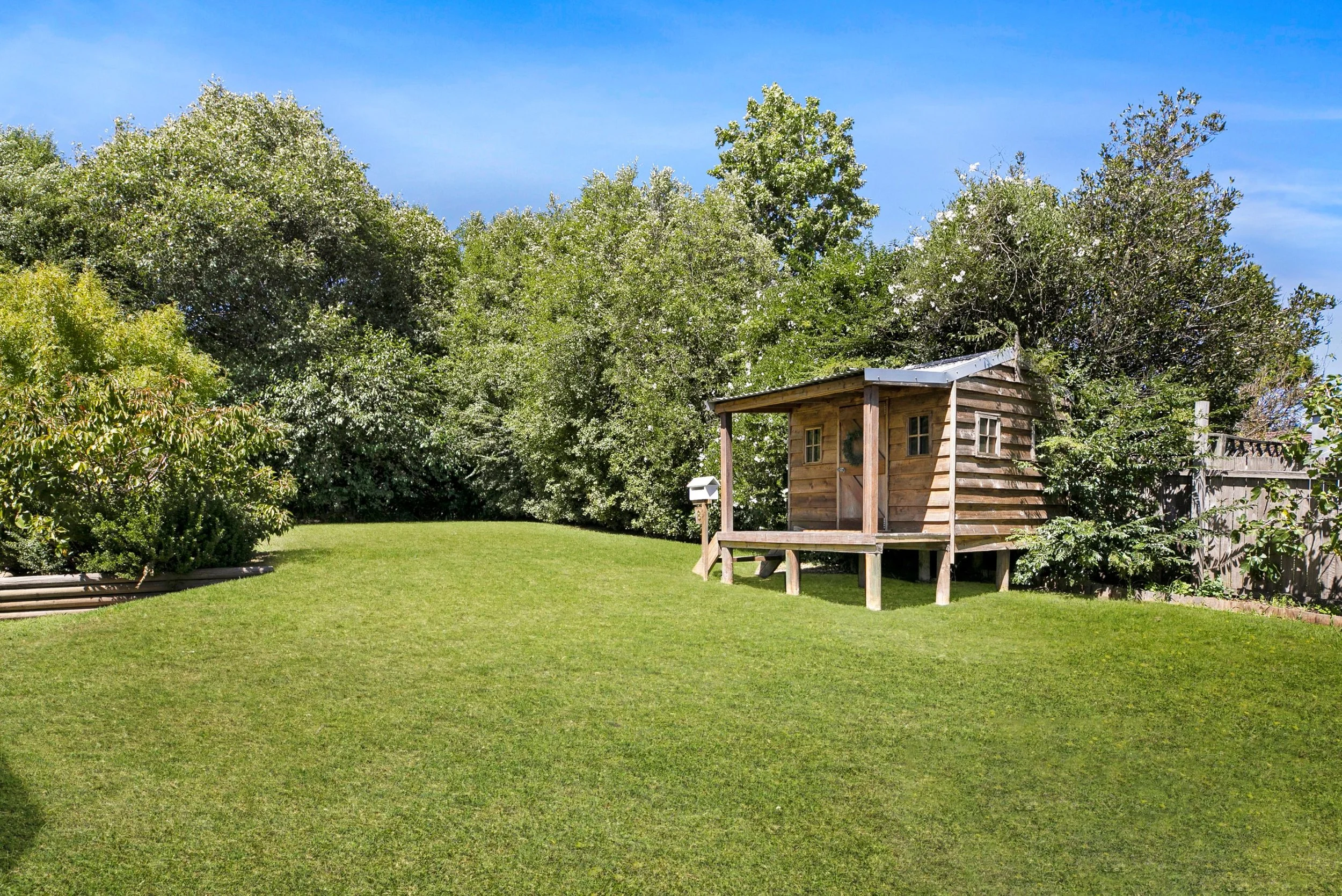
A generous usable backyard.
This is a huge one for me based on the feedback I have received over the years when renovating houses for sale. Whilst it does depend on your suburb’s demographic, one of the largest buying groups are families – specifically young families. These young families want plenty of space for the kids to safely play in the backyard. If you don’t consider this when buying a home (particularly an investment home or for resale), then you are alienating a large portion of potential buyers which may lead to a struggle to rent or sell.Space for feature landscaping and/or private entertaining areas
Opportunity for better indoor–outdoor flow.
In today’s homes, it no longer makes sense for backyard or outdoor entertaining access to be disconnected from the main living zones — kitchen, dining and living — as this doesn’t reflect how we live now.Room for future additions or a studio.
A nice selling point, but not a deal breaker, when finding a decent property to buy.
Outdoor improvements are often more cost-effective and can dramatically increase a home’s liveability.
Proximity to Services When Relocating a Kitchen, Bathroom or Laundry
If you plan to move the kitchen, bathroom, or laundry, consider how close these spaces are to existing plumbing and drainage.
Relocating wet areas far from current service lines can significantly increase costs due to:
Additional plumbing runs
Potential slab penetrations
Possible venting requirements
Compliance considerations
A property that allows these spaces to be reconfigured without complex plumbing changes will always be far easier—and more cost-efficient—to renovate.
Understanding the Local Demographic & Buyer Expectations
If you’re renovating with resale or investment in mind, it’s crucial to understand what the local market values.
Take time to:
Shout a couple of your local real estate agents a coffee and interrogate them. I mean – kindly ask them, to share their insider knowledge on the local market.
Ask about the area’s dominant demographic (families, downsizers, investors)
Identify what buyers or renters specifically look for
Learn what features add the most value
For example, in a family-oriented suburb, adding a second bathroom or creating an open-plan living/dining zone might yield a strong return. In inner-city areas, storage solutions, flexible work-from-home spaces, and quality finishes may matter more.
Local insight is one of your most powerful tools when deciding which property has true renovation potential.
Happy House Hunting
A home that’s ideal for renovation isn’t necessarily the prettiest listing or the cheapest option - it’s the one with potential in the right places. Strong bones, a functional footprint, natural light, and minimal structural surprises create the perfect canvas for transformation.
If you’re searching for a property with renovation in mind, take your time, ask questions, and evaluate the home for both its current condition and its future possibilities.
And if you’d like support assessing whether a particular property is renovation ready, I’m always happy to provide a professional eye through a pre-purchase assessment to help you turn potential into something truly beautiful.
Until next time,